What is a 3D Metal Printer and How Does it Work?
The world of manufacturing is rapidly evolving. One breakthrough technology is the 3D metal printer. This innovation allows for the creation of complex metal parts with precision and efficiency. Unlike traditional methods, a 3D metal printer builds objects layer by layer. This process reduces material waste and can produce intricate designs that would be impossible with conventional techniques.
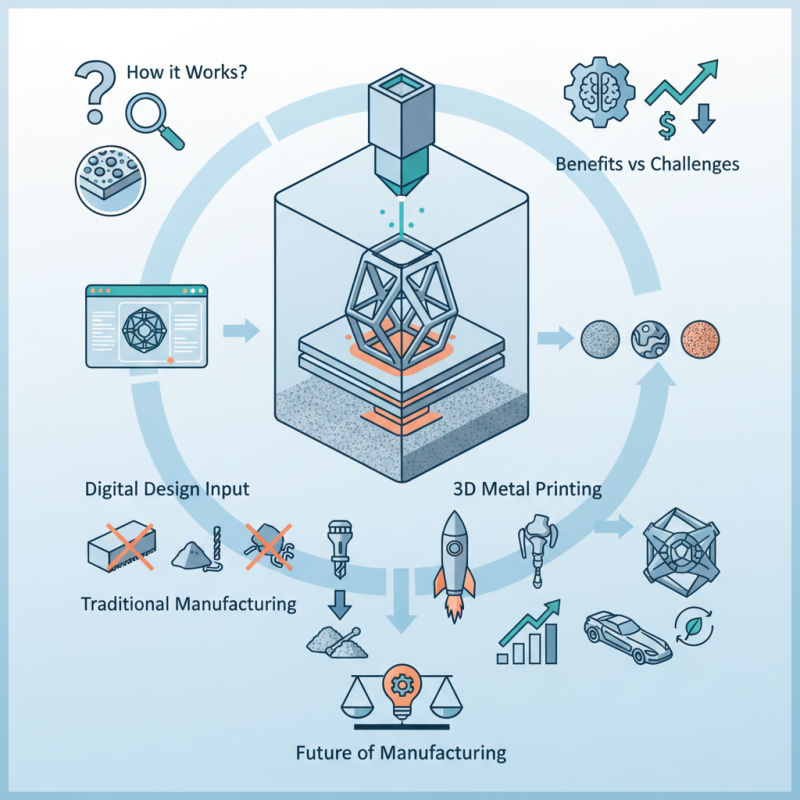
Experts in the field emphasize the importance of understanding how this technology works. A 3D metal printer utilizes advanced techniques like selective laser melting. The laser fuses metal powders, creating solid pieces from a digital design. This could revolutionize industries such as aerospace, automotive, and healthcare.
Despite its advantages, challenges remain. The initial investment can be high and the learning curve is steep. Manufacturers must adapt to this technology for it to be effective. It’s crucial to weigh both the benefits and limitations when considering a 3D metal printer for production needs. This balance is key for future advancements in manufacturing.
What is 3D Metal Printing?
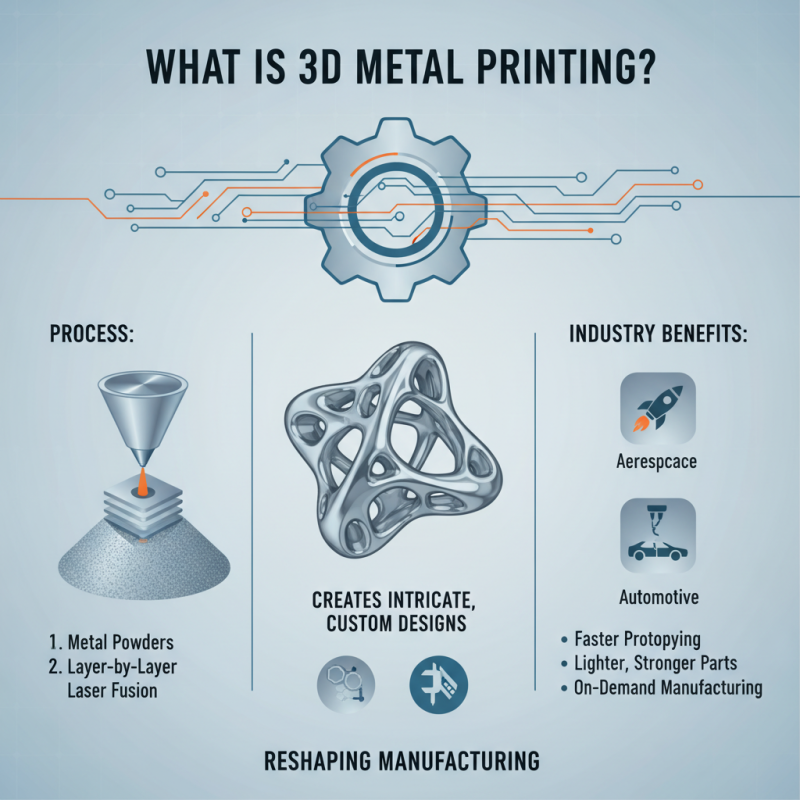
3D metal printing is a revolutionary technology that reshapes manufacturing. It uses advanced techniques to create parts from metal powders. This process allows for intricate designs that traditional methods can't achieve. Companies across various industries benefit from these customized metal parts.
The technique often involves selective laser sintering or direct energy deposition. A layer of metal powder is spread evenly on a surface, then selectively melted by a laser. This method precisely forms complex shapes layer by layer. It's a fascinating approach, but it requires careful handling. Powder dispersal can be messy, and post-processing can be tedious.
While the technology offers unprecedented flexibility, there can be challenges in quality control. Each layer must adhere properly to avoid defects. Not all materials work equally well in this process. Understanding these nuances is crucial for successful applications in engineering and manufacturing.
The Technology Behind 3D Metal Printers
3D metal printing represents a revolutionary leap in manufacturing technology. This process uses additive manufacturing techniques to create complex metal parts layer by layer. It often employs materials like titanium, aluminum, and stainless steel. These metals are heated to a molten state, which allows for precise shaping and detailed designs. This level of accuracy often leads to waste reduction and cost savings in production.
The technology behind 3D metal printers is intricate and fascinating. Often, it relies on techniques like powder bed fusion or directed energy deposition. In powder bed fusion, a laser melts the metal powder in thin layers. Meanwhile, directed energy deposition uses focused thermal energy to fuse materials as they are deposited. Each method carries its own set of challenges. For example, controlling the cooling rates is crucial to avoid defects like warping or cracking in the final product.
Diving deep into this technology reveals the importance of expertise. Engineers must understand the properties of different metals and how they respond during printing. However, not all prints are perfect on the first try. There is a learning curve, and iterations may be needed to refine designs. This ongoing process of trial, error, and adjustment is essential for optimal results.
What is a 3D Metal Printer and How Does it Work?
| Dimension |
Description |
| Technology |
Additive Manufacturing process that uses metal powder. |
| Materials |
Common materials include titanium, aluminum, and stainless steel. |
| Printing Process |
Layers of metal powder are fused together using a laser or electron beam. |
| Applications |
Used in aerospace, automotive, and medical industries for manufacturing complex parts. |
| Advantages |
Reduced waste, complex geometries, lightweight structures. |
| Challenges |
High costs, slow production rates, post-processing needs. |
The 3D Metal Printing Process Explained
3D metal printing represents a significant evolution in manufacturing. This process transforms metal powders into intricate parts through additive layering. Typically, techniques like Selective Laser Melting (SLM) are used. A laser melts the powder layer by layer, allowing for complex geometries that traditional methods struggle to achieve. According to Wohlers Associates, the metal 3D printing market is expected to reach $2 billion by 2026, demonstrating its growing importance.
The scalability of 3D metal printing is a double-edged sword. On one side, it offers rapid prototyping and reduced waste. Traditional subtractive methods often lead to material usage exceeding 90%. However, challenges remain. The cost of metal powders can be high, and post-processing requirements are significant. These factors can hinder widespread adoption in industries like aerospace and medical. The technology, while promising, necessitates ongoing research to address these limitations effectively.
One must also consider the learning curve. Engineers must adapt to a new design philosophy tailored for additive manufacturing. This shift can be daunting yet rewarding. Advanced simulation and testing are essential to optimize part performance and reduce failures. However, the complexity of these systems often leads to oversight in quality control, emphasizing the need for continuous feedback and improvement in 3D metal printing practices.
3D Metal Printer Usage in Various Industries (2023)
Applications of 3D Metal Printing in Various Industries
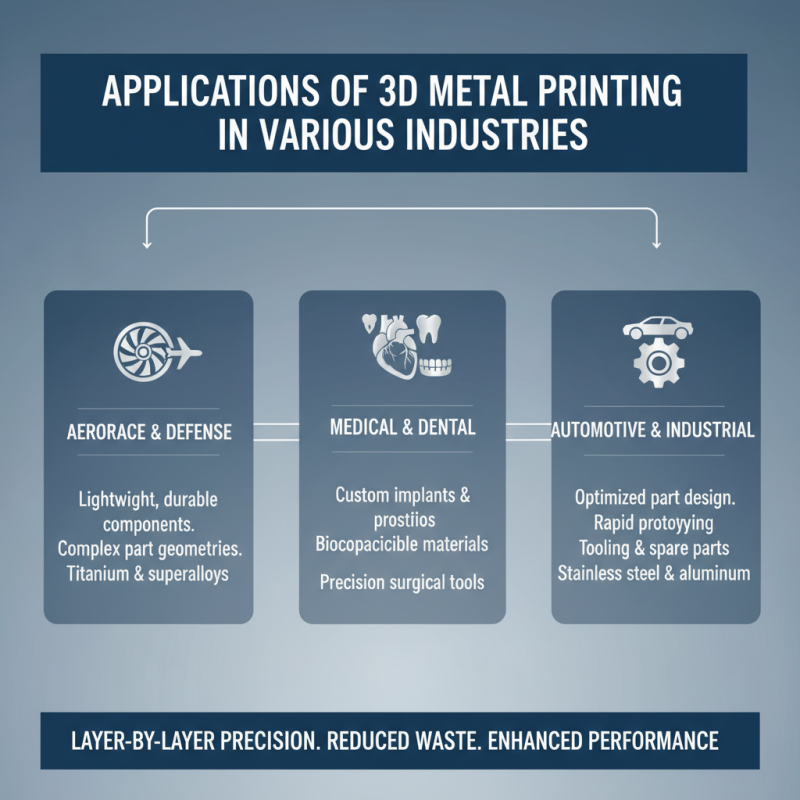
3D metal printing is transforming various industries. This innovative technology creates complex parts layer by layer. It utilizes a range of materials, including titanium and stainless steel. This precision allows manufacturers to produce lightweight and durable components.
In aerospace, 3D metal printing enables the production of intricate engine parts that reduce weight. These parts can improve fuel efficiency significantly. In the automotive industry, custom components are made more easily. However, the process is not without challenges. Quality control remains a concern, as defects can occur during printing.
Medical applications are also noteworthy. 3D metal printing allows the creation of customized implants and prosthetics. These patient-specific solutions can enhance recovery times. Despite its benefits, the technology does require careful consideration of design and material choices. Overall, 3D metal printing holds great promise, but it demands ongoing reflection on its limitations.
Advantages and Challenges of 3D Metal Printing Techniques
3D metal printing has gained traction for its unique advantages and inherent challenges. This technique allows for the production of complex geometries that traditional manufacturing struggles to achieve. It enables significant weight reduction without compromising strength. Industries such as aerospace and healthcare are already leveraging these capabilities. However, this technology is not without its shortcomings. High costs and technical complexities can hinder wider adoption.
One major challenge is the need for skilled operators. 3D metal printers require precise settings to avoid failures during the printing process. Operators must understand materials and equipment deeply. Poor understanding can lead to wasted resources. Continuous training is essential in this evolving field.
Tip: Regular maintenance of your printer can improve accuracy and reduce downtime. Pay attention to the quality of the metal powder used; contamination can result in defects. Embrace the learning curve. Experimenting with different techniques can lead to breakthrough improvements in design and efficiency. Patience and diligence can yield excellent results in this cutting-edge technology.