Discover the Best 3D Metal Printers for Global Buyers?
The demand for 3D metal printers has skyrocketed across various industries. They offer unique solutions for creating intricate designs and robust structures. Buyers must understand what makes a printer stand out in the crowded market.
Selecting the best 3D metal printer involves several factors. Quality, reliability, and user experience play crucial roles. Different models serve different needs, creating a complex landscape for potential buyers. It's easy to get overwhelmed by options, but informed choices lead to better outcomes.
Many users have shared experiences with their 3D metal printers. Some printers deliver exceptional results, while others fall short. It’s essential to consider reviews and expert opinions to navigate these choices. Balancing cost and performance is key in the quest for the ideal machine. This guide will help potential buyers find their perfect fit in the world of 3D metal printing.
Understanding 3D Metal Printing Technology and Its Applications
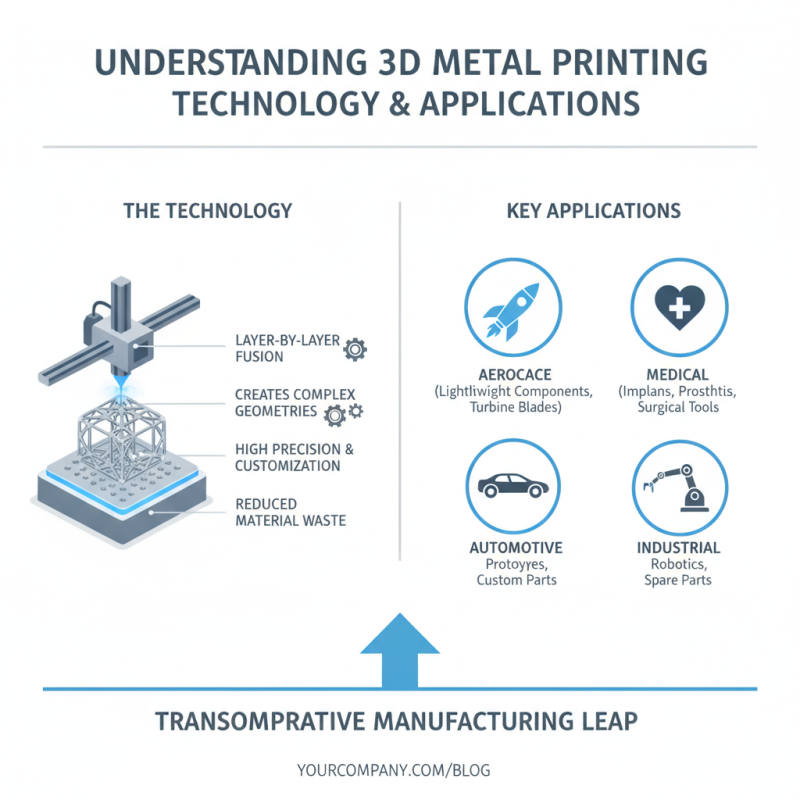
3D metal printing technology represents a transformative leap in manufacturing. This process allows for the creation of intricate metal parts that traditional methods cannot achieve. By using a layer-by-layer approach, companies can produce complex geometries with high precision. This opens doors to various applications, from aerospace components to medical implants.
One significant advantage of 3D metal printing is its ability to optimize material usage. It generates less waste compared to subtractive techniques. However, the process can be slow, which might limit its feasibility for large-scale production. It's essential to weigh efficiency against complexity when considering this technology.
Tips: If you are exploring 3D metal printing, start with small prototypes. This will help you understand the technology better. Additionally, always check the compatibility of your design with the printer. Being aware of material constraints can save time and resources.
Many industries are still catching up with the potential of this technology. It takes time to learn the nuances of different printers and materials. Expect challenges, such as post-processing requirements. Patience and continuous learning are crucial in this evolving field.
Key Factors to Consider When Choosing a 3D Metal Printer
Selecting a 3D metal printer can be daunting. Buyers must consider several critical factors to ensure a well-informed decision. One essential aspect is the printer’s build volume. Larger build volumes allow for more complex parts. However, they can also increase costs and maintainability challenges.
Material compatibility is another crucial factor. Different printers support specific metal materials. According to a recent study by Wohlers Associates, nearly 40% of users cite metal alloy options as pivotal in their decision-making. This is vital. A limited material selection may hamper production versatility.
Lastly, understanding post-processing requirements is necessary. Some printers demand extensive finishing work after printing. This can impact time and costs. Only 30% of manufacturers account for these factors when purchasing. Buyers should carefully analyze their production needs and potential challenges before committing. Ignoring these details may lead to dissatisfaction and increased expenses. The right printer can elevate production efficiency while aligning with user needs.
Best 3D Metal Printers - Key Factors Comparison
Top 3D Metal Printers in the Market: Features and Specifications
When considering the best 3D metal printers, several models stand out. Features such as build volume, print speed, and material compatibility are essential. Many printers support a wide range of metals, including titanium and aluminum. This versatility makes them suitable for various industries, from aerospace to medical.
Choosing a printer that fits your needs can be challenging. Tips for selecting the right printer include assessing the scale of your projects. Consider the materials you commonly work with and the intricacies of your designs. An ideal printer should handle complex geometries effectively while delivering precise results.
Keep in mind that investing in advanced printing technology may require training. A printer’s ease of use plays a key role in productivity. If you're new to metal printing, seek resources or training sessions. Engaging with other users can provide valuable insights. Reflect on your experiences and use feedback to improve your workflow. This approach can enhance your printing efficiency and quality.
Discover the Best 3D Metal Printers for Global Buyers
| Model |
Build Volume (mm³) |
Layer Thickness (μm) |
Max Temp (°C) |
Materials |
Weight (kg) |
| Printer A |
250 x 250 x 300 |
50 |
300 |
Stainless Steel, Titanium |
150 |
| Printer B |
300 x 300 x 400 |
100 |
500 |
Aluminum, Nickel |
200 |
| Printer C |
200 x 200 x 200 |
30 |
400 |
Bronze, Copper |
120 |
| Printer D |
350 x 350 x 450 |
80 |
450 |
Inconel, Steel |
250 |
Comparative Analysis of Popular 3D Metal Printers
The landscape of 3D metal printing has evolved rapidly, catering to a wide range of industries. According to a report by MarketsandMarkets, the global 3D metal printing market is projected to reach USD 1.06 billion by 2025, growing at a CAGR of 25.6%. This growth underscores the increasing demand for advanced manufacturing technologies.
In comparing popular 3D metal printers, key specifications often emerge as defining factors. Some models excel in build volume, while others focus on precision and speed. For instance, the layer thickness can vary significantly, impacting the final product's surface quality. Additionally, the choice of metal powders plays a crucial role in the mechanical properties of printed parts. A recent study highlighted that different alloys can lead to variations in tensile strength by up to 30%.
Nevertheless, challenges persist in the industry. Material costs can be prohibitive, and the skill level required for operation may deter new users. Moreover, some machines require substantial maintenance, which can lead to downtime in busy settings. These factors must be weighed carefully when selecting a machine, as they can drastically influence efficiency and output quality.
Future Trends in 3D Metal Printing for Global Buyers
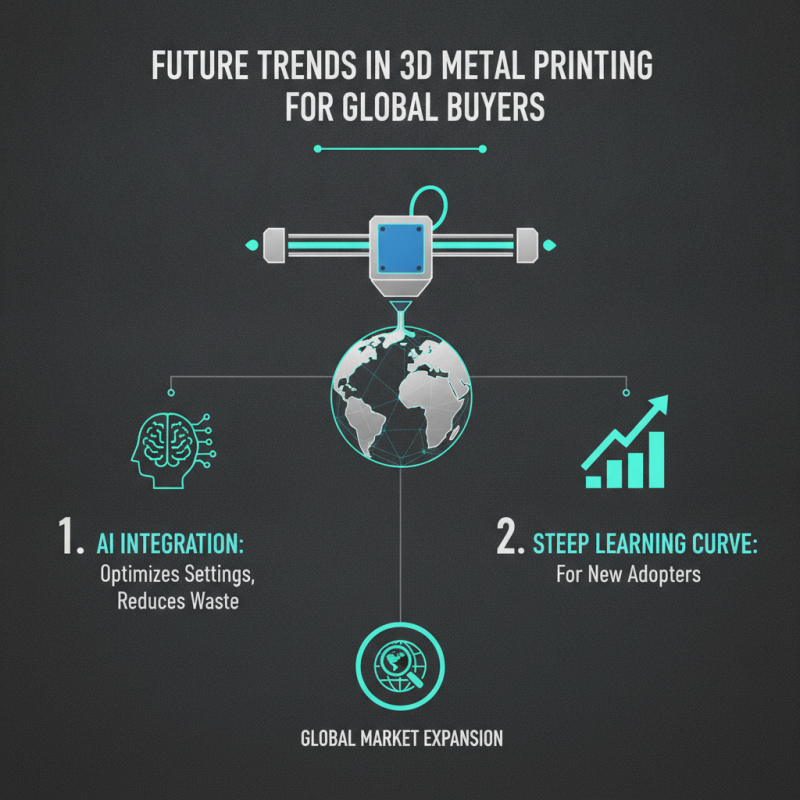
As the market for 3D metal printing expands, several trends are emerging that global buyers should watch. The integration of artificial intelligence into the printing process is gaining traction. This technology optimizes print settings and reduces material waste. However, the learning curve remains steep for companies new to this innovation.
Sustainability is another significant trend. Manufacturers are exploring eco-friendly materials and recycling methods. Using reclaimed metal powders is one example, but the quality can vary. This inconsistency raises concerns for some industries. Buyers must weigh the potential benefits and drawbacks carefully.
Customization is on the rise as businesses demand tailored solutions. As a result, manufacturers are focusing on versatile designs and rapid prototype capabilities. Yet, finding a balance between customization and production speed remains challenging. This might lead to delays or increased costs. Global buyers need to stay informed about these evolving trends in 3D metal printing to make well-informed decisions.