How to Choose High Wax Resin for Your 3D Printer Needs?
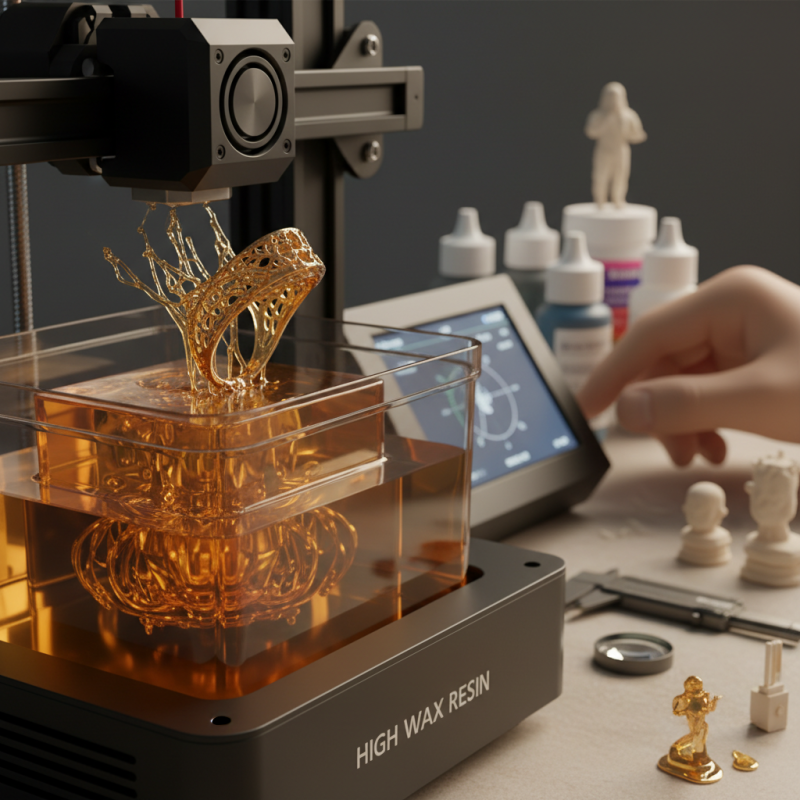
Choosing the right material for your 3D printer can be a challenging task. Among various options, High Wax Resin for 3D printer stands out for its unique properties. This resin is ideal for creating detailed and intricate designs, making it a popular choice among hobbyists and professionals alike.
When selecting high wax resin, consider its melting point and adhesion qualities. These factors play a crucial role in ensuring successful prints. High wax resin can provide excellent surface detail, but it may require fine-tuning of your printer settings to achieve the best results.
Take time to research and test different brands, as not all high wax resins are created equal. You might find that some brands produce more reliable results than others. This journey of experimentation can lead to valuable insights. Each print can reveal something new about the material's performance and your printer's capabilities.
Understanding High Wax Resin: Definition and Characteristics
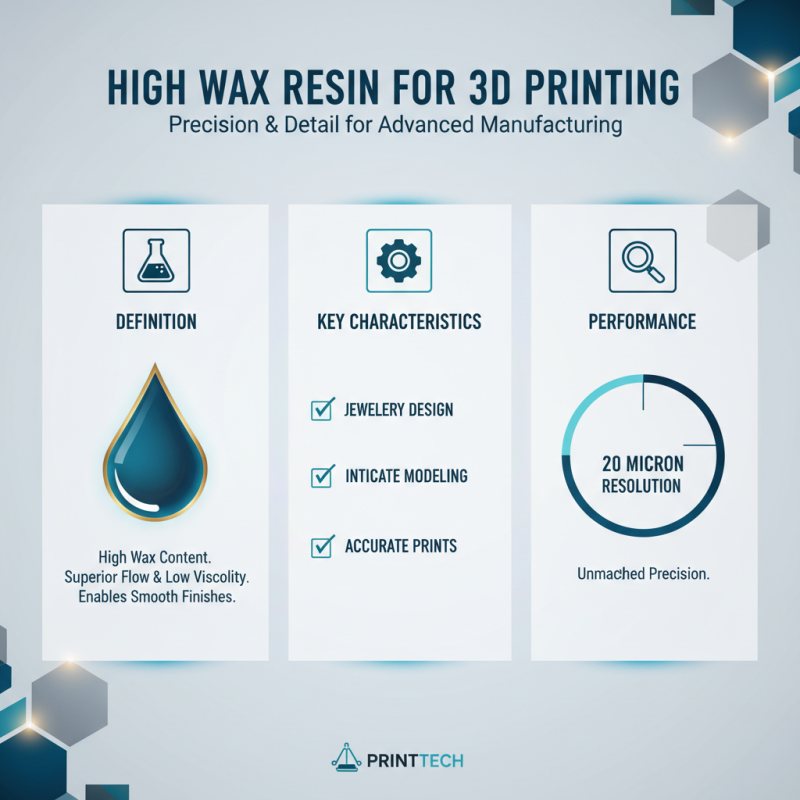
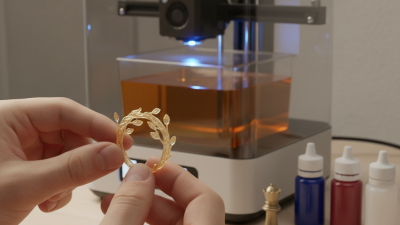
High wax resin is increasingly becoming essential for 3D printing, especially in jewelry design and detailed modeling. This material is defined by its high wax content, providing smooth finishes and intricate details. It offers superior flow characteristics and lower viscosity, which are crucial for accurate prints. Industry reports suggest that high wax resin can achieve detail resolution as fine as 20 microns, making it ideal for applications requiring precision.
It's important to understand the characteristics of high wax resin to maximize its potential. This resin typically exhibits excellent thermal stability, allowing for clean burns in casting processes. However, users should be cautious, as excessive heat can sometimes lead to warping. Testing different temperatures during printing can help find the sweet spot for optimal performance.
Tip: Always consider the post-processing stage when choosing a resin. This is where potential downsides may emerge. Some users report issues with drying times and brittleness after curing. Ensuring proper ventilation and curing methods can help mitigate these problems. Also, keep in mind that not all printers handle high wax resin equally well. Researching compatibility is key to avoiding disappointments.
Key Factors to Consider When Choosing High Wax Resin
When choosing high wax resin for your 3D printing projects, several key factors must be considered. Firstly, the viscosity of the resin greatly impacts its printing accuracy. High-quality wax resin typically has a low viscosity, enabling smoother flow and enhanced detail in prints. Data from the 3D Printing Industry indicates that resins with a viscosity below 500 cP often yield superior results in fine-detail applications. However, maintaining a balance between fluidity and rigidity is crucial, as excessively low viscosity can lead to weaker prints.
The curing time is another factor to assess. High wax resins usually cure quickly under UV light, which can significantly improve printing efficiency. Reports suggest that resins with a curing time of around 30 seconds are ideal for intricate designs. Still, it’s essential to remember that faster curing can sometimes compromise layer adhesion. This trade-off requires careful experimentation to determine optimal settings for your specific printing environment.
Lastly, consider the thermal properties of the resin. Some high wax resins can soften at elevated temperatures, affecting print durability. Independent studies have shown that resins with a glass transition temperature above 70°C are generally more stable for functional applications. However, finding the right balance between wax content for detail and the necessary durability for your end product remains a challenge. Always aim for a material that aligns with your project's specific requirements while keeping these factors in mind.
Comparing Different Brands of High Wax Resin for 3D Printing
When selecting high wax resin for 3D printing, it's essential to compare different brands. Each brand has unique properties that can significantly impact the final print quality. Recent industry reports indicate that high wax resins often enhance the resolution and detail of prints, making them ideal for jewelry and dental applications. Data suggests that resins with a higher wax content tend to create smoother surfaces and finer details.
The variations in melting temperature and viscosity among brands can also affect the printing process. For instance, some resins are more suitable for high-speed printing, while others may require slower speeds for better results. Evaluating the specific requirements of your printer and the desired outcome is crucial. Conduct side-by-side comparisons of printed pieces to identify which resin meets your needs best.
Tips: Always conduct small test prints before committing to larger projects. This can save time and materials. Additionally, consider the compatibility of the resin with your printer’s settings. Not all resins perform well under generic settings, leading to potential failures in more complex designs. Finally, keep in mind that brand reputation is important, but new players enter the market frequently, often offering innovative formulas at competitive prices. Staying updated with industry reviews can help you make an informed decision.
Application Techniques for Using High Wax Resin in 3D Printing
When using high wax resin in 3D printing, it's essential to understand various application techniques. This resin is known for its excellent detail and smooth surface finish. Proper temperature control is crucial for optimal results. Keep the resin at the suggested temperature to avoid issues during printing.
Consider the layer thickness. Thinner layers can enhance detail but may increase print time. Experiment with different thicknesses to see what works best for your design needs. Distinctive designs often require refined settings. Observe the resin's behavior and adjust accordingly.
Tips: Always perform a test print before committing to larger projects. This will help you identify potential problems early. Maintain a tidy workspace and ensure your equipment is clean. Any impurities can affect the final outcome.
Adhesion to the build plate can be tricky. Use an appropriate surface treatment to improve the sticking of the first layer. Watch for warping; varying temperatures can impact your print's integrity. Don't hesitate to adjust your print speed to find the perfect balance.
How to Choose High Wax Resin for Your 3D Printer Needs? - Application Techniques for Using High Wax Resin in 3D Printing
| Parameter |
Description |
Recommended Value |
| Wax Content |
Percentage of wax in the resin mixture |
30% - 50% |
| Viscosity |
The thickness or flow of the resin |
200 - 300 cps |
| Curing Time |
Time needed for the resin to cure under UV light |
10 - 30 seconds |
| Print Speed |
Recommended speed for optimal output |
30 - 50 mm/h |
| Layer Thickness |
Thickness of each layer of print |
0.05 - 0.1 mm |
| Color Options |
Available colors for printing |
Clear, White, Black |
| Post-Processing |
Techniques recommended after printing |
Washing and curing |
Maintenance and Storage Tips for High Wax Resin Products
When using high wax resin for 3D printing, maintaining its quality is crucial. Environmental factors can greatly impact resin longevity. Store it in a cool, dark place. Avoid direct sunlight and heat sources. This prevents premature curing and preserves resin consistency.
Regular checks are important. Examine the resin for any unusual odors or discoloration. A foul smell can indicate degradation. If the resin looks cloudy, it may be time to replace it.
Tips for maintaining your high wax resin include sealing the bottle tightly after use. This reduces exposure to air, which can lead to oxidation. Using clean tools when handling resin also prevents contamination. Keep the workspace tidy. A clean environment minimizes the risk of unwanted particles affecting your prints. Proper maintenance ensures better printing results and extends the life of your resin.