2026 How to Choose the Best Dental 3D Printer for Your Practice?
In the rapidly evolving field of dentistry, selecting the right Dental 3D Printer is crucial for any practice. Dr. Emily Carter, a renowned expert in dental technology, emphasizes, "The right 3D printer can transform your practice and enhance patient outcomes." With advancements in dental 3D printing, choices can seem overwhelming.
Many practitioners feel the pressure to keep up with technological trends. They can sometimes overlook their specific needs. A printer that excels in speed may lack precision. Conversely, a high-precision model could be slow and inefficient. Finding the right balance is vital. Additionally, understanding the materials involved is equally important. Not all 3D printers handle the same resins and filaments effectively.
Dental 3D Printers can be a significant investment. Practices must weigh the benefits against the costs. Therefore, a clear evaluation of your unique requirements is essential. The decision should not be made lightly. Each practice has different goals, and a one-size-fits-all solution rarely works. Choosing wisely can lead to a more prosperous and efficient practice.

Understanding the Importance of 3D Printing in Dental Practices
3D printing is transforming dental practices. This technology allows for precise customization of dental appliances. According to a recent industry report, 70% of dental professionals believe that 3D printing improves patient outcomes. It has applications in orthodontics, prosthetics, and surgical guides. This means better fitting and more comfortable solutions for patients.
However, adopting 3D printing is not without challenges. Many practices lack the technical knowledge needed for successful integration. Additionally, the cost of equipment can be a barrier for smaller clinics. It's crucial to weigh the investment against potential benefits.
Tip: Assess your clinic's specific needs before committing. Understand what types of 3D printing applications would yield the highest return on investment.
Another consideration is training staff. Many professionals report that ongoing education is vital for effective use. A well-trained team can harness the full potential of this technology. Misunderstandings may lead to errors in the printing process. Acknowledging these potential pitfalls is important for long-term success.
Tip: Invest in training and support for your team. This ensures smooth operation and helps avoid costly mistakes.
Key Features to Look for in a Dental 3D Printer
When selecting a dental 3D printer, key features stand out. The printer's accuracy is crucial. A model with high precision will ensure better-fitting dental models. Look for a printer that supports a variety of materials. Flexibility in material use can enhance treatment options for patients.
Speed is another important factor. A faster printer can significantly cut down on production time. However, you should balance speed with quality. Sometimes, faster printing may lead to subpar details. User-friendly software is essential too. A complicated interface can slow down the workflow, leading to frustration.
Additionally, consider maintenance and support options. Some printers require frequent repairs or updates. A printer that is hard to maintain can become a burden. Also, think about the printer's footprint. Space is often limited in dental practices. Ensure that the printer fits comfortably in your workspace. Balancing these features will help you choose the right dental 3D printer for your needs.
Dental 3D Printer Key Features Comparison
Assessing the Printing Technology and Materials Used
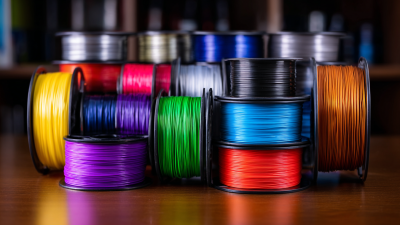
When selecting a dental 3D printer, technology and materials matter significantly. It's not only about speed but also the precision of the prints. A printer that uses stereolithography can produce detailed models. This is essential for dental applications like crowns and bridges. However, the right resin also plays a crucial role. Different materials can exhibit various properties. Some resins are great for strength, while others offer better aesthetics.
Another point to consider is the compatibility of materials. Not all printers accept every type of resin. This can limit your options in creating diverse dental products. Additionally, evaluating the ease of use is vital. Some printers are complex, making training necessary. This could lead to potential errors in the early stages. Keep in mind that technology evolves rapidly. What works now might not be suitable later.
It's essential to assess your needs before making a choice. Think of your common procedures and patient requirements. If you mainly work on dentures, you might need a different setup than for orthodontics. Balancing the printing technology with suitable materials ensures you stay efficient in your practice. Consider your budget as well. High-quality printers might require a larger investment upfront but can save costs in the long run.
2026 How to Choose the Best Dental 3D Printer for Your Practice?
| Feature |
Description |
Importance Level |
| Printing Technology |
Different technologies such as SLA, DLP, and FDM have unique advantages and applications in dentistry. |
High |
| Material Compatibility |
The ability to work with various dental materials such as resins, plastics, and ceramics. |
Medium |
| Print Speed |
The time required to complete a print job, affecting overall productivity. |
High |
| Print Resolution |
The level of detail achievable in the printed object, measured in microns. |
High |
| User Interface |
Ease of use, including software for design and operation. |
Medium |
| Maintenance Requirements |
Frequency and complexity of maintenance needed to keep the printer in optimal condition. |
Medium |
| Cost of Ownership |
Total cost including purchase price, materials, and maintenance over time. |
High |
Evaluating Cost and Return on Investment for Your Practice
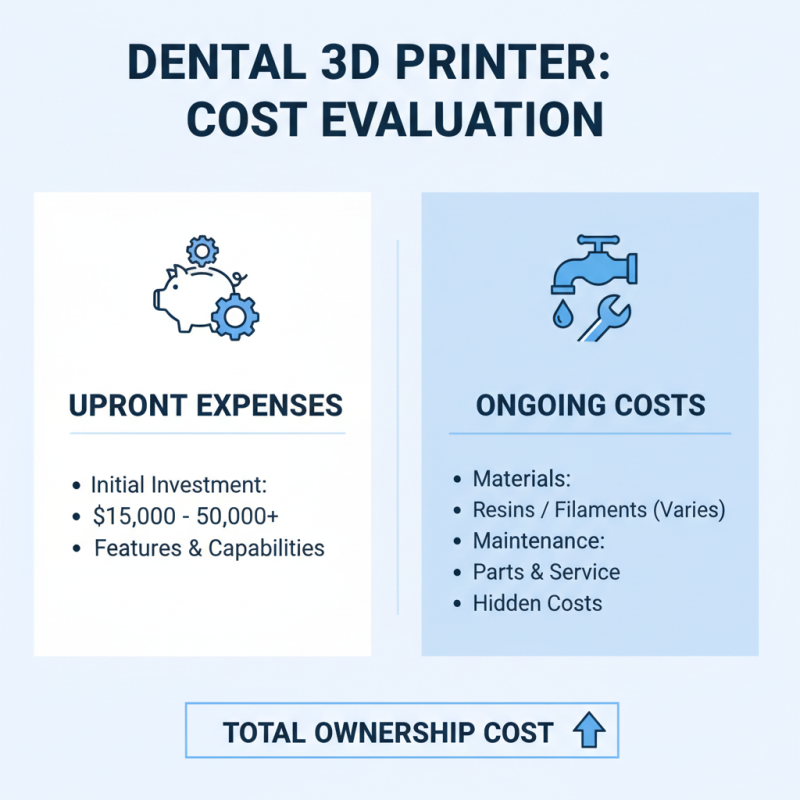
When evaluating the cost of a dental 3D printer, it’s crucial to assess both upfront expenses and ongoing costs. Initial investments can range significantly, often between $15,000 to $50,000. The choice may depend on the features and capabilities. Be cautious of the hidden costs in materials and maintenance. Some printers may require pricey resins or filaments, which can inflate overall costs.
Return on investment (ROI) is equally critical. Research indicates that practices incorporating 3D printing saw an increased revenue by 30% within the first year. This revenue boost often comes from faster turnaround times and the ability to offer new services. However, integrating this technology requires staff training, which also incurs costs. Failures in the printing process can lead to wasted materials, so it's essential to factor in these potential setbacks.
Don't overlook the evaluation of patient demand for 3D printed dental solutions. Some clinics report hesitance from patients to adopt new treatments, affecting utilization rates. While 3D printing can enhance efficiency, understanding patient preferences is vital to ensure that the investment pays off. Implementing a thoughtful strategy can lead to better outcomes. Balancing innovation with practicality is key to making the right decision for your practice.
Researching Reliable Brands and User Reviews for Dental 3D Printers
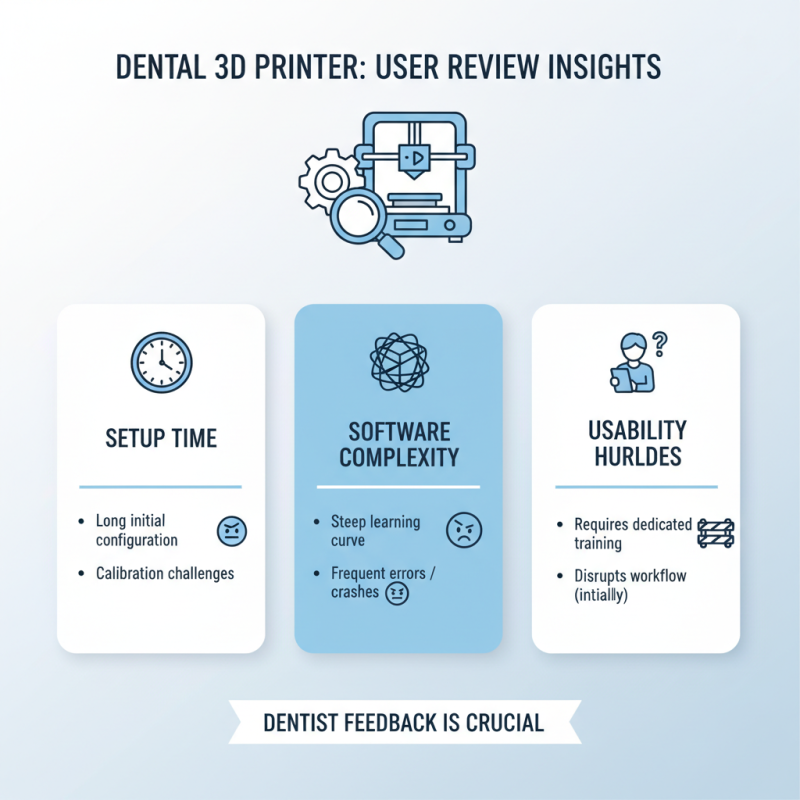
When considering a dental 3D printer, user reviews serve as a vital resource. Dentist feedback can reveal unexpected issues. Some users report long setup times. Others mention software complexities that can be frustrating. A printer that seems user-friendly might require considerable learning, which can be a hurdle for busy practices.
Reliable brands often stand out in user discussions. Many users highlight their experiences with customer support. Good support can make a significant difference. Pointers from peers can help navigate features and capabilities. Look for printers featuring consistent positive reviews, especially concerning print quality and reliability.
However, not all reviews are positive. Some practices experience downtime due to printer malfunctions. This can disrupt workflows, affecting patient care. Always seek out detailed reviews that discuss both pros and cons. Balancing these insights with your unique practice needs is essential.