How to Choose the Best 3D Printer Resin Vat Heater?
As the demand for high-quality 3D printing escalates, the importance of the right equipment becomes evident. A crucial element in this ecosystem is the 3D printer resin vat heater. According to a recent industry report by SmarTech Analysis, the global 3D printing materials market, which includes resin heaters, is projected to reach $7 billion by 2025. This significant growth emphasizes the need for reliable heating solutions to optimize the printing process.
Expert in additive manufacturing, Dr. Emily Chen, highlights, "The right heater improves the viscosity of resin, ensuring better quality prints." A suitable 3D printer resin vat heater maintains optimal temperatures, enhancing performance. However, not all heaters are created equal. Some heaters may not meet the specific needs of different resin types, which can lead to inconsistent results.
While many users focus on features like temperature range, the heater’s energy efficiency is often overlooked. Inadequate attention to this aspect can lead to increased operating costs. Choosing a good heater requires evaluation based on performance metrics, user reviews, and compatibility with different resins. Balancing all these factors is a challenging yet essential task for those committed to quality in 3D printing.
Factors to Consider When Selecting a 3D Printer Resin Vat Heater
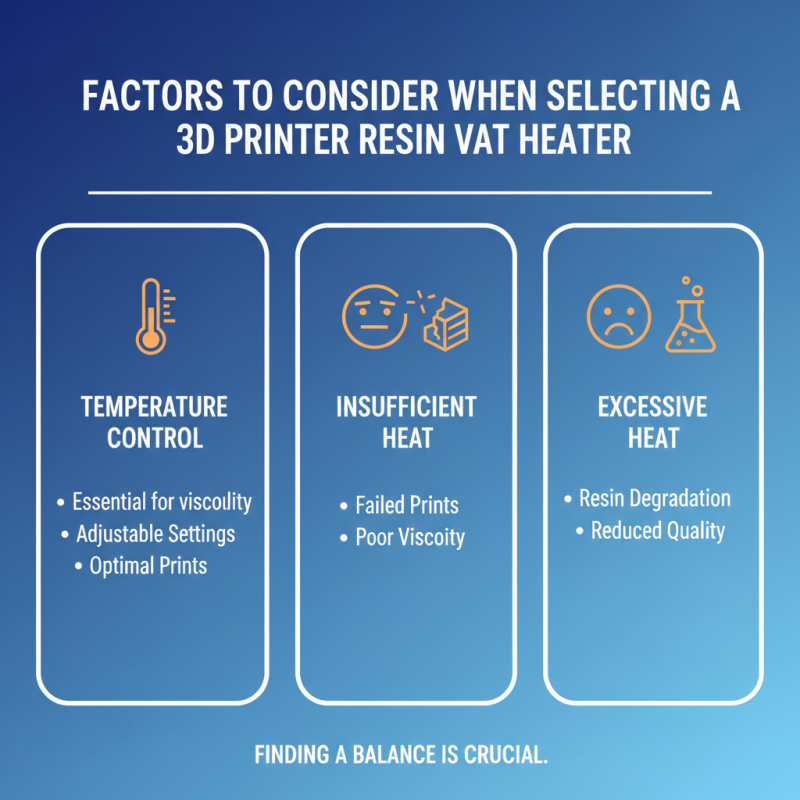
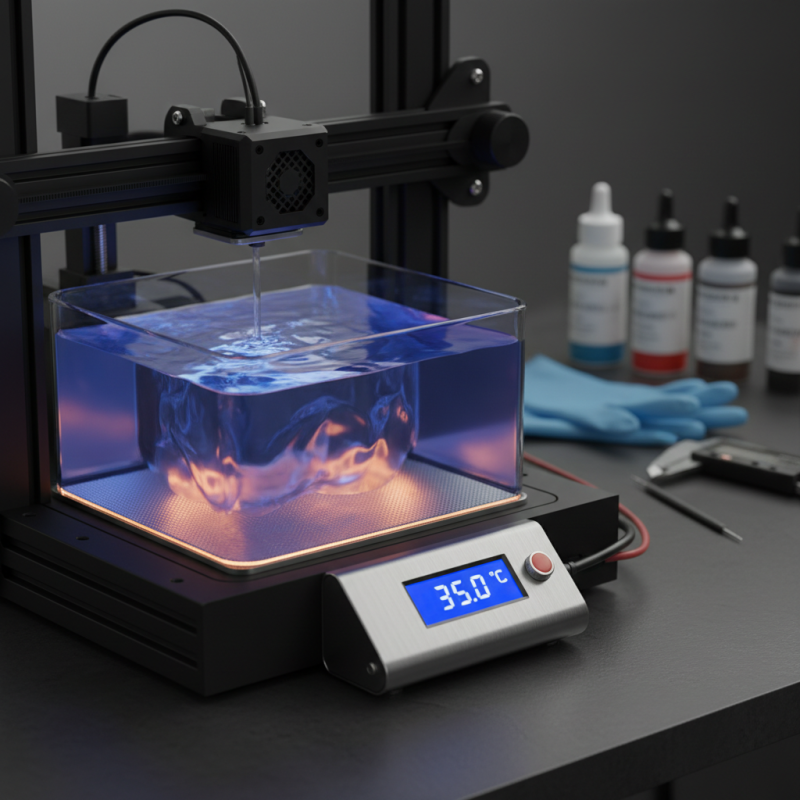
When selecting a 3D printer resin vat heater, temperature control is essential. Many models offer adjustable temperature settings. This feature ensures that resin maintains optimal viscosity for better printing. Insufficient heating may lead to failed prints. On the other hand, excessive heat can degrade resin quality. Finding a balance is crucial.
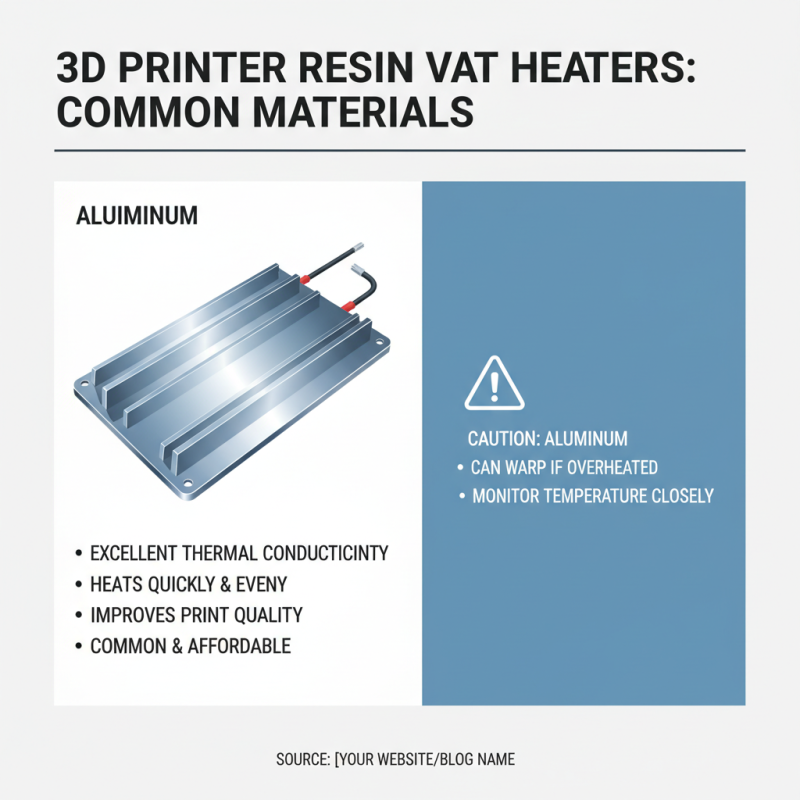
Another factor to consider is the material quality. Look for heaters made from durable materials. Some options may have cheaper construction. They might fail prematurely or affect print quality. It’s often worth investing in a reliable option for long-term use. Check user reviews and expert opinions before making a decision.
Size and compatibility also matter. Ensure the heater fits your printer's vat size. A mismatched heater may not heat the entire resin evenly. This can lead to uneven curing. Evaluate your printing needs and space limitations too. Sometimes, larger models might not suit a compact workspace. Pay attention to these details for better performance. Choosing the right heater can significantly influence your printing experience.
The Importance of Temperature Control in Resin Printing Quality
Temperature control plays a crucial role in resin printing quality. A consistent temperature ensures that the resin cures properly. If the temperature fluctuates, it can lead to poor layer adhesion and affect the finished product's strength. Many experienced users find that maintaining a steady environment significantly improves their prints.
Finding the right resin vat heater is essential for optimal results. Look for heaters that provide even heating across the vat. Uneven temperature distribution can create issues with print consistency. It is also beneficial to check if the heater has adjustable settings. This allows you to tailor the temperature based on the specific resin you are using.
Here are a few tips for managing temperature:
- Regularly monitor the vat’s temperature.
- Use a thermometer for accuracy.
- Pay attention to ambient room conditions. Fluctuating room temperatures can affect your results.
Expert users often suggest experimenting with different temperatures to find what works best for your setup and resin type. Tracking your results can lead to better future prints.
Comparing Heating Efficiency: Watts vs. Temperature Stability in Resins
When selecting a 3D printer resin vat heater, focusing on heating efficiency is crucial. Watts indicate how much power the heater can use. Higher wattage generally means faster heating. However, this doesn't always guarantee better performance. Too much heat can cause resin to cure too quickly, impacting print quality.
Temperature stability is equally important. A heater that rapidly fluctuates between temperatures can lead to inconsistent resin behavior. This inconsistency may create layers with varying hardness. Fluctuations can introduce errors into your prints. Finding the right balance between wattage and temperature stability is essential.
For optimal results, research different heating methods. Some options include immersion heaters and silicone pad heaters. Each has its pros and cons. Immersion heaters might heat up faster but can be less energy-efficient. Silicone pad heaters are often more stable but may take longer to reach the desired temperature.
Careful consideration of these factors ensures superior prints. This decision-making process involves trial and error. Testing various settings can lead to insights. Reflecting on your experiences can help refine your approach. It’s essential to find what works best for your specific needs.
How to Choose the Best 3D Printer Resin Vat Heater? - Comparing Heating Efficiency: Watts vs. Temperature Stability in Resins
| Parameters |
Option A |
Option B |
Option C |
| Power Consumption (Watts) |
50 |
75 |
100 |
| Temperature Stability (°C) |
±2 |
±1 |
±0.5 |
| Heating Time (minutes) |
10 |
8 |
5 |
| Material Quality |
Standard |
High |
Premium |
| Price ($ USD) |
120 |
150 |
200 |
User Reviews and Industry Standards for Best Practices in Heater Selection
Selecting a 3D printer resin vat heater involves various factors. User reviews highlight that energy efficiency is crucial. A heater that warms up quickly saves time. Some users reported overheating issues. This can harm resin quality. Pay attention to customer feedback on temperature control functionality.
Industry standards recommend checking material compatibility. Not all heaters work well with every resin type. It's essential to read specifications carefully. Many professionals emphasize the importance of user-friendly designs. Complicated setups can lead to operational errors. A reliable heater should include safety features, such as automatic shut-off mechanisms.
Evaluate the noise level as well. Some heaters operate quietly, while others can be disruptive. This can affect your working environment. Additionally, durability plays a significant role. Manufacturers should provide clear guidelines on maintenance. Regular checks can prevent unexpected failures, which many users have experienced. Balancing these factors can lead to a better selection. Choose wisely for optimal 3D printing results.
3D Printer Resin Vat Heater Performance Comparison
This chart compares various performance metrics of 3D printer resin vat heaters. Each metric is rated on a scale of 1 to 10, with higher scores indicating better performance. Users have particularly highlighted the stability of temperature and maximum temperature capabilities as crucial factors in their heater selection.