How to Choose the Best Dental 3D Printer for Your Practice?
In the rapidly evolving landscape of dental technology, selecting the right Dental 3D Printer can significantly impact your practice. Dr. Emily Chen, a leading expert in dental innovation, states, "The right 3D printer can transform the way we deliver patient care." This underscores the importance of making an informed choice.
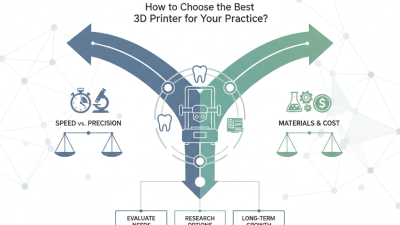
Dental 3D Printers offer various features tailored to meet specific clinical needs. However, the plethora of options can be overwhelming. Practices must consider factors such as print speed, accuracy, and material compatibility. Not every printer will suit every practice. Choosing hastily can lead to costly mistakes or underwhelming results.
Many practitioners find themselves navigating through unclear specifications. While one printer excels in speed, another may offer superior detail. Confidence in a choice can diminish when faced with a decision that could affect patient outcomes. Assessing your practice's unique requirements before purchasing can lead to more thoughtful, effective solutions.
Understanding the Different Types of Dental 3D Printers Available
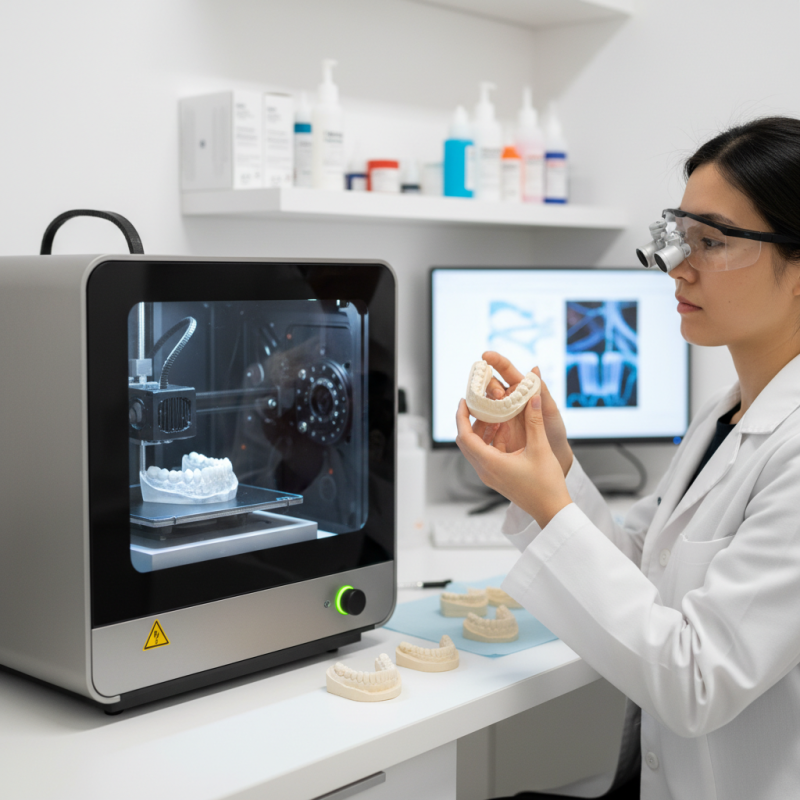
The realm of dental 3D printing has expanded significantly, offering various types that cater to different needs in dentistry. Primarily, there are three main types of dental 3D printers: SLA (Stereolithography), DLP (Digital Light Processing), and FDM (Fused Deposition Modeling). SLA printers deliver high-resolution prints, ideal for intricate dental models and surgical guides. A report by *Wohlers Associates* states that SLA and DLP technologies account for up to 60% of the dental 3D printing market due to their precision.
On the other hand, FDM printers are more cost-effective but usually offer lower resolution. They are suitable for larger models and printing dental frameworks. Many practicing dentists lean towards SLA and DLP for complex applications, while FDM serves as an entry point for practices with budget constraints.
Tip: Always evaluate the specific needs of your practice. Consider the type of procedures you frequently perform. This will help you choose a printer that complements your workflow effectively.
Moreover, it's essential to consider the materials compatibility. Different printers require specific resins or filaments. Research suggests that practices utilizing printers with versatile material compatibility can enhance their service offerings and efficiency. Choose wisely, as this aspect can impact long-term operational costs and patient satisfaction.
How to Choose the Best Dental 3D Printer for Your Practice?
| Printer Type |
Layer Thickness (mm) |
Build Volume (mm) |
Materials |
Price Range |
| SLA Printer |
0.05 - 0.2 |
120 x 68 x 175 |
Resin |
$2,000 - $4,000 |
| DLP Printer |
0.05 - 0.1 |
140 x 90 x 200 |
Resin |
$3,000 - $6,000 |
| FDM Printer |
0.1 - 0.3 |
200 x 200 x 200 |
PLA, ABS |
$1,000 - $3,000 |
| SLS Printer |
0.05 - 0.15 |
300 x 300 x 300 |
Nylon, TPU |
$5,000 - $10,000 |
Key Features to Consider When Selecting a Dental 3D Printer
Choosing the right dental 3D printer for your practice is crucial. Start by evaluating the printer's accuracy. Precision is vital in dental applications, such as creating crowns and bridges. Look for printers that can achieve layer resolutions of 25 microns or better. Poor accuracy can lead to increased remakes and patient dissatisfaction.
Next, consider the speed of printing. Faster machines can enhance productivity. A printer that takes hours to create a model may not meet busy practice demands. It’s essential to balance speed with the quality of the output. Sometimes, faster isn't always better; slower prints can yield higher quality in certain cases.
Material compatibility is also key. Different printers work with various resin types. Ensure that the printer supports the range of materials you'll need for diverse dental applications. If you plan to expand services, look for a printer with broad material capability. However, be cautious; each material has its own handling and storage requirements. A printer with limited compatibility may restrict your offerings. Always weigh your current needs against potential growth.
Best Dental 3D Printer Features Comparison
Evaluating Print Quality and Speed for Dental Applications
When selecting a dental 3D printer, evaluating print quality and speed is crucial. Print quality directly impacts the precision of dental applications, such as crowns and bridges. You need to consider layer resolution and surface smoothness. A printer with high layer resolution produces finer details, ensuring better-fitting restorations. However, higher resolution may require longer print times.
Speed is equally important. A printer that delivers good quality and quick turnaround can enhance efficiency in your practice. Look for printers that balance these two factors well. Some printers might compromise print speed for quality, which can lead to delays. Assessing the average print time for common dental appliances can give you insight into how well a printer meets your needs.
Tips: Always check sample prints from the printer. This helps to understand its real-world capabilities. Don't hesitate to ask other professionals about their experiences. Consider your practice's workload. A high-speed printer might not be necessary if you handle fewer cases. Reflecting on these elements helps make a confident choice in dental 3D printing technology.
Maintenance and Support Services for Dental 3D Printers
When selecting a dental 3D printer, maintenance and support services are crucial factors. Regular upkeep keeps your printer in optimal condition. Quick response times for repairs and technical support minimize downtime. Make sure to evaluate the service agreements provided by the manufacturer. These agreements can impact the longevity and performance of your printer significantly.
Consider the availability of replacement parts. Reliable service depends on easily accessible components. If parts are hard to find, repairs may be delayed, which can affect patient care. Additionally, check if the provider offers training sessions for your staff. Proper training ensures the team can handle basic maintenance and troubleshooting effectively.
A good support system fosters a productive environment. Evaluate online resources, such as user forums or training videos. These can be valuable for continuous learning. Reflect on your practice's experiences with past equipment. Recognizing what worked and what didn't can guide your choice of support services for your new 3D printer.