What is a Dental Resin 3D Printer and How Does It Work?
The dental field is continually evolving, and one of the most exciting innovations is the Dental Resin 3D Printer. This technology represents a significant leap in how dental professionals create customized solutions for their patients. It allows for the rapid production of dental models, crowns, and aligners with high precision and detail.
Unlike traditional methods, a Dental Resin 3D Printer uses liquid resin, which is cured layer by layer. This process results in strong and accurate dental components. Many practitioners are adopting this technology due to its efficiency and effectiveness. However, it also presents challenges. For instance, the cost of equipment and materials can be a barrier for some dental offices.
Moreover, mastering the operation of a Dental Resin 3D Printer requires training and experience. Some users may struggle with settings and post-processing techniques. It is crucial to reflect on these challenges to fully leverage this powerful tool. Understanding its advantages and limitations is essential for success in modern dentistry.
Introduction to Dental Resin 3D Printers
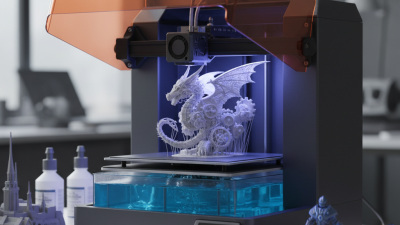
Dental resin 3D printers have revolutionized the dental industry. These machines create precise dental models, aligners, and prosthetics. The printers use a process called stereolithography. This involves curing liquid resin layer by layer using UV light. Each layer adds detail and accuracy to the final product. The result is a high-quality item tailored to individual patient needs.
These printers excel in creating intricate designs. Dentists appreciate the speed and efficiency of this technology. The materials used in dental resins provide excellent durability. However, achieving the perfect balance of speed and quality can be challenging. Initial setups may require adjustment to optimize results. Users often need to experiment with resin types and printing settings for the best output. This trial and error approach can be frustrating but essential for mastering the technology.
The benefits are clear. Customized dental solutions enhance patient satisfaction. Yet, the learning curve can be steep. Understanding the limitations of the printer and resin is crucial. Over time, practitioners become more skilled, but the journey features its share of bumps. Embracing imperfections in the initial stages can lead to valuable insights. This reality makes the advancements in dental resin 3D printing a fascinating field for continuous growth.
Key Components of a Dental Resin 3D Printer
Dental resin 3D printers have become essential tools in modern dentistry. These devices transform digital models into physical dental products using resin materials. The key components of a dental resin 3D printer contribute significantly to their effectiveness and accuracy.
One critical component is the light source. Most dental resin printers rely on UV light or LCD screens for curing the resin. According to industry reports, the precision of these light sources can directly influence the quality of the final product. Higher resolution light sources produce more detailed and accurate models. Another vital part is the resin tank, which holds the liquid resin during the printing process. The tank must be made from high-quality materials to prevent any light leaks. Maintaining an ideal environment within the tank ensures optimal results.
Furthermore, the mechanics of the printer play a crucial role. The build platform requires stable movement to layer the resin precisely. Poor movement can lead to misaligned layers and compromised structures. Regular calibrations and maintenance are essential to ensure consistent print quality. While dental resin printers offer advanced capabilities, they are not infallible. Users sometimes encounter issues with layer adhesion or print failure, emphasizing the need for careful monitoring and adjustments.
What is a Dental Resin 3D Printer and How Does It Work? - Key Components of a Dental Resin 3D Printer
| Component |
Description |
Material Type |
Application |
| Build Platform |
Platform where digital models are printed layer by layer. |
Metal or Composite |
Supports the printed object. |
| Resin Tank |
Holds the liquid photopolymer resin during printing. |
Plastic |
Contains the resin for printing. |
| Light Source |
Cures the resin by projecting UV light in the desired pattern. |
LED or Laser |
Cures layers of resin for shaping the object. |
| Control Software |
Software used to prepare the 3D model and control printing processes. |
Software |
Manages the printing workflow and settings. |
| Post-Processing Unit |
Used for cleaning and curing the printed parts after the print is complete. |
Plastic or Metal |
Ensures proper finishing of printed objects. |
The Printing Process: How Dental Resin 3D Printers Work
Dental resin 3D printers have revolutionized the dental industry. They are designed to create high-precision dental models, surgical guides, and even crowns. The technology behind these printers relies on a process called stereolithography. This involves using a UV light source to cure layers of liquid resin. The printer builds each layer sequentially, allowing for intricate details and smooth finishes.
The printing process begins with a computer-generated design, usually made in CAD software. Once the design is ready, the printer uses a build platform submerged in resin. UV light selectively solidifies the resin, layer by layer. As each layer hardens, the platform rises to allow fresh resin to flow and fill the space. According to recent industry reports, this method improves accuracy by up to 50% compared to traditional methods.
Tips: To enhance your printing results, always ensure your resin is fresh and compatible with your printer. Regular maintenance of the printer is crucial for consistent output. Remember, experimentation is key; be open to adjusting your settings for optimal results. Each print has its nuances, so patience is necessary.
Applications of Dental Resin 3D Printing in Dentistry
Dental resin 3D printing is revolutionizing the field of dentistry, significantly impacting the production of custom dental devices. This technology is utilized for creating dental crowns, bridges, and aligners. According to a report by SmarTech Analysis, the market for dental 3D printing is projected to reach $2.35 billion by 2025. Such data highlights its growing importance in the dental industry.
Applications of dental resin 3D printing extend beyond fabricating dental prosthetics. It is increasingly used in producing surgical guides, which help dental surgeons perform more accurate procedures. A study published in the Journal of Prosthodontics indicates that surgical guides made with resin printers improved implant placement accuracy by 40%. This precision can enhance patient outcomes and decrease surgery times.
However, not all dental professionals are fully adapting to this technology. Some express concerns over the durability of resin materials compared to traditional methods. While advancements are made, the long-term performance of printed devices remains a topic of discussion. Continual evaluation and research are necessary to address these potential shortcomings. The balance between embracing innovation and ensuring quality care is vital in the evolving landscape of dentistry.
Advantages and Limitations of Dental Resin 3D Printers
Dental resin 3D printers offer unique advantages in the field of dentistry. These printers create high-quality, accurate dental models and prosthetics. The ability to produce detailed replicas helps dentists provide better treatment options. Speed is another benefit. The printing process can be completed in a fraction of the time compared to traditional methods. This rapid turnaround allows for quicker patient care and timely adjustments.
However, there are limitations. The cost of dental resin 3D printers can be high. Not every dental practice can justify this expense. Maintenance can also be a challenge. Printers require regular calibration and cleaning to function correctly. Additionally, the range of materials available can be restrictive. Finding the right resin for specific applications isn't always easy. The technology is evolving, but some dentists hesitate to adopt it fully. There’s a fine line between innovation and practicality to consider.
While dental resin 3D printers have transformed the industry, they are not a complete solution. Some traditional techniques may still offer benefits that modern printing cannot replicate. Balancing both methods can lead to better outcomes. The future of dental care may demand both advancements and reflections on practices from the past.
Advantages and Limitations of Dental Resin 3D Printers