Top 10 Essential Tips for Choosing the Best Dental 3D Printer
In the rapidly evolving world of dental technology, selecting the right Dental 3D Printer can significantly enhance the quality of dental care and improve workflow efficiency. Experts in the field, such as Dr. Emily Carter, a renowned dental technologist, emphasize the importance of making informed choices. She states, "Choosing the right Dental 3D Printer is crucial; it can make a difference in accuracy and patient satisfaction." As dental practices increasingly adopt 3D printing technologies, understanding the essential features and capabilities of these machines becomes paramount.
The landscape of dental 3D printing is diverse, with various options available to cater to different practice needs. From producing high-quality models for orthodontics to creating custom implants, the applications of a Dental 3D Printer are extensive. It is essential for dental professionals to not only consider the technology itself but also the material compatibility, speed, and post-processing requirements to ensure optimal results. This guide will delve into the top ten essential tips for choosing the best Dental 3D Printer, providing dental practitioners with the insights necessary to make an empowered decision that will ultimately benefit their practice and patients alike.
Understanding the Importance of 3D Printing in Dentistry
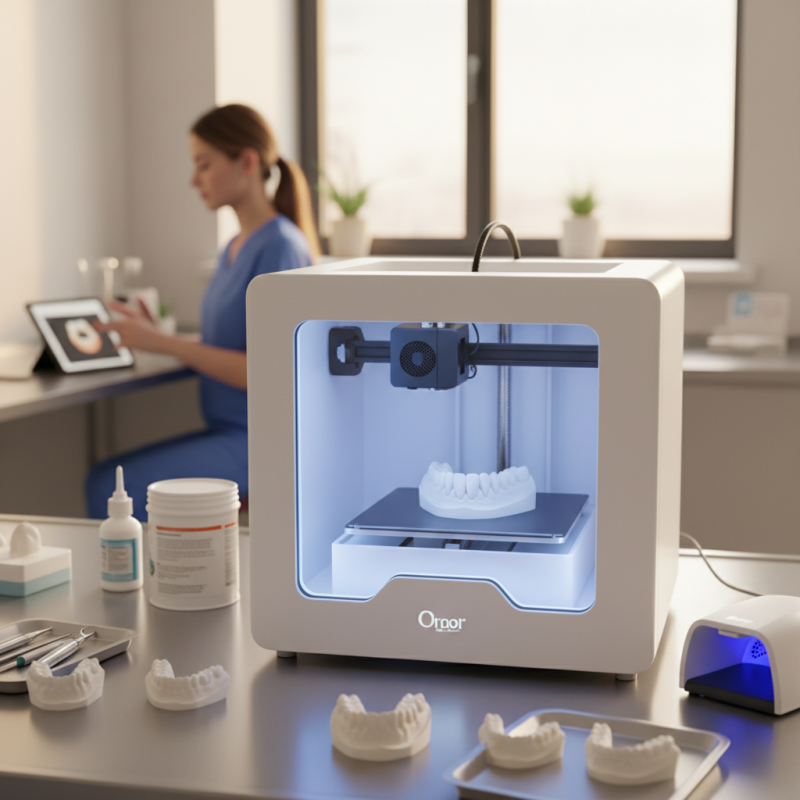
The integration of 3D printing technology in dentistry has revolutionized the way dental practices operate, facilitating more efficient workflows and improved patient outcomes. By allowing dentists to create precise models, surgical guides, and even dental prosthetics on-site, 3D printing eliminates delays associated with traditional lab work. This immediacy not only enhances patient experience through reduced wait times but also allows for highly customized treatment options tailored to individual needs.
As the dental 3D printer market continues to grow, practitioners must navigate various types and technologies available. Understanding the distinctions between in-office and in-lab printers, as well as the advantages of technologies like stereolithography and digital light processing, is crucial for making informed choices. The right 3D printer can optimize practice management and expand service offerings, thus positioning dental practices to meet the increasing demand for innovative solutions in dentistry. Emphasizing the importance of selecting the best equipment is essential for maximizing the benefits of 3D printing and maintaining competitiveness in a rapidly evolving landscape.
Top 10 Essential Tips for Choosing the Best Dental 3D Printer
This chart illustrates the key factors to consider when selecting the best dental 3D printer, showcasing their importance based on user feedback and market trends.
Key Features to Look for in Dental 3D Printers
When choosing a dental 3D printer, several key features must be considered to ensure it meets the specific needs of dental applications. Firstly, precision is paramount; a printer with high resolution can produce detailed and accurate dental models, which are crucial for restorations and surgical guides. Look for printers that offer varying layer thickness options, as this can significantly affect the final output quality.
Another important feature is the speed of printing. In a fast-paced dental environment, efficiency can greatly impact workflow. Selecting a printer that can deliver high-quality prints quickly will help meet demanding deadlines without compromising on quality. Additionally, consider the range of materials compatible with the printer. Dental applications often require diverse materials, including biocompatible resins, which enhance the flexibility and usability of the printer in various scenarios. Lastly, ease of use and customer support are also critical, as these factors can help streamline the learning curve and ensure reliable operation in the long term.
Top 10 Essential Tips for Choosing the Best Dental 3D Printer
| Tip |
Description |
Key Feature |
Importance |
| Understand Your Needs |
Identify the specific applications for which you need a 3D printer, such as prosthetics or orthodontics. |
Application Versatility |
High |
| Material Compatibility |
Check the types of materials the printer can use, including biocompatible resins. |
Material Types |
High |
| Print Speed |
Consider how fast the printer can produce items to meet your workflow needs. |
Production Efficiency |
Medium |
| Build Volume |
Ensure the printer has an adequate build volume for your largest dental applications. |
Size Capability |
High |
| User-Friendly Software |
Select a printer with intuitive software for easy design and printing. |
Software Accessibility |
Medium |
| Post-Processing Needs |
Assess how much post-processing is required and if it fits your workflow. |
Post-Processing Complexity |
Medium |
| Support and Maintenance |
Check the manufacturer’s support and upkeep requirements for long-term use. |
Technical Support |
High |
| Price vs. Budget |
Evaluate if the printer's features align with your budget and needs. |
Cost-Effectiveness |
High |
| Customer Reviews |
Research user experiences to better understand reliability and performance. |
User Feedback |
Medium |
| Future Scalability |
Choose a printer that allows for growth in your future dental applications. |
Upgradability |
Medium |
Comparing Printing Technologies: SLA vs. DLP vs. FDM for Dental Use
When selecting a dental 3D printer, understanding the printing technologies available is crucial. Three prominent technologies—SLA (Stereolithography), DLP (Digital Light Processing), and FDM (Fused Deposition Modeling)—each offer unique advantages tailored to various dental applications. SLA printers utilize a UV light source to cure photopolymer resin layer by layer, providing exceptional detail and smooth finishes, which is essential for intricate dental models and precise aligners.
On the other hand, DLP functions similarly to SLA but employs a digital light projector, curing an entire layer at once. This results in faster print times while still maintaining high accuracy, making DLP a suitable choice for practices where time efficiency is a priority. In contrast, FDM, which extrudes thermoplastic filaments, is often heralded for its affordability and ease of use but may fall short in terms of detail and finish when compared to SLA and DLP methods. Ultimately, the choice between these technologies should align with the specific needs, budget, and quality expectations of the dental practice.
Evaluating Material Compatibility for Specific Dental Applications
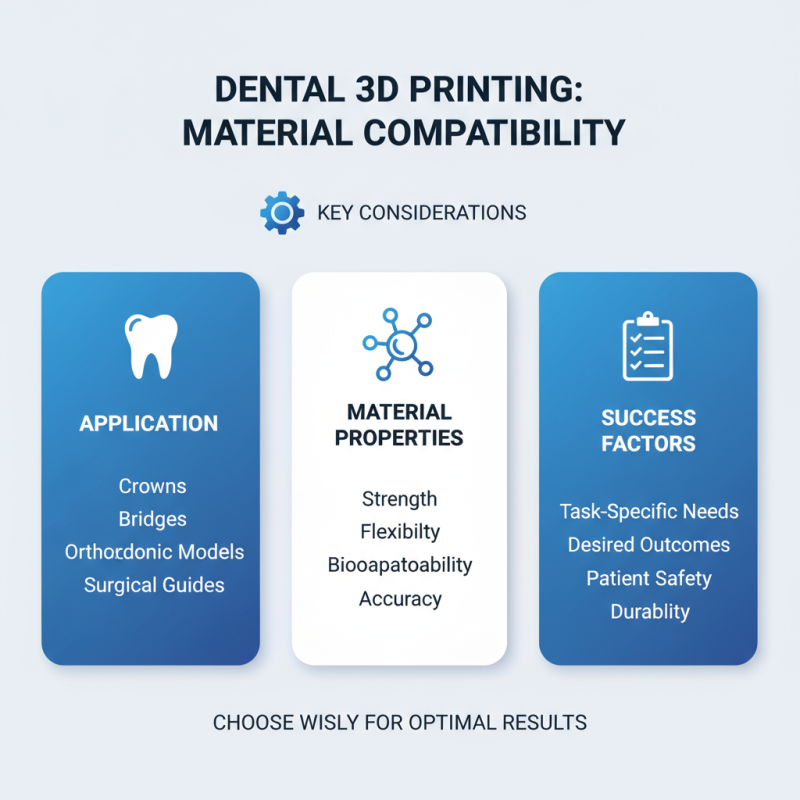
When selecting a dental 3D printer, evaluating material compatibility is crucial, as the success of various dental applications hinges on the right material. Different dental tasks, such as creating crowns, bridges, or orthodontic models, require specific materials that exhibit unique properties like strength, flexibility, and biocompatibility. This means understanding which materials are suitable for your desired outcomes is a top priority.
One essential tip is to prioritize printers that support a wide range of dental-specific resins and polymers. This versatility allows you to adapt to various procedures without needing multiple printers. Additionally, scrutinize the material specifications to ensure they meet industry standards for dental applications. A printer that can handle high-resolution, durable materials will offer better outcomes for intricate designs.
Moreover, consider platforms that are constantly updating their material compatibility. This evolving nature of dental technology means that new materials can enhance your practice significantly. Staying informed about advancements in dental materials will not only improve patient outcomes but can also open new avenues for service offerings in your practice.
Budget Considerations: Cost-Benefit Analysis of Dental 3D Printers
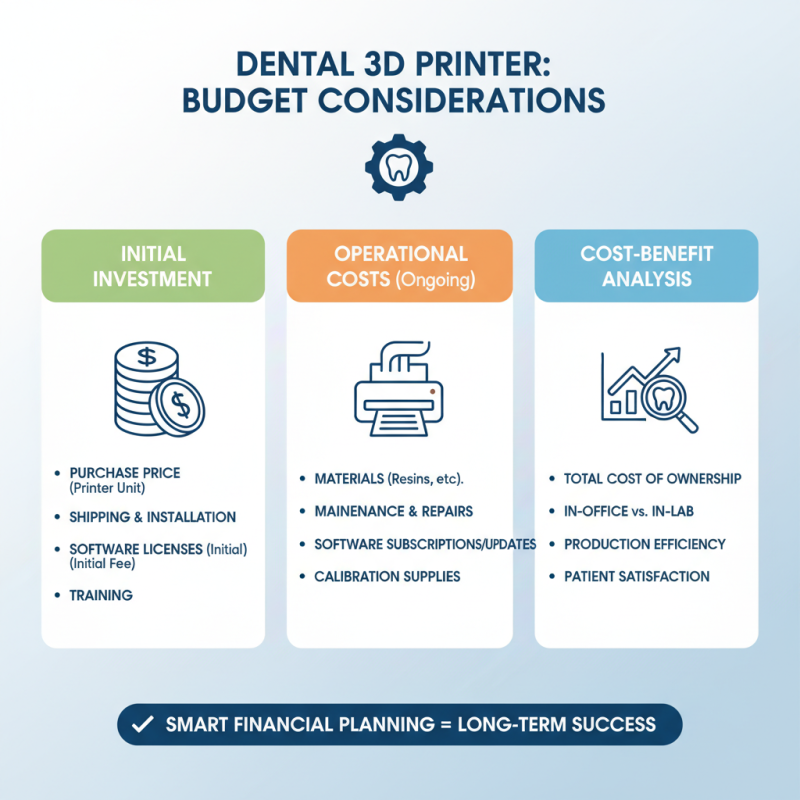
When considering the purchase of a dental 3D printer, budget is a crucial factor that directly influences the overall cost-benefit ratio. A well-planned financial approach should take into account not only the initial purchase price but also ongoing operational costs, including materials, maintenance, and software updates. Analyzing the total cost of ownership can help dental practices determine whether investing in an in-office or an in-lab printer aligns with their long-term financial goals and patient needs.
Moreover, choosing between different technologies such as Stereolithography (SLA) or Digital Light Processing (DLP) entails understanding the specific capabilities and limitations of each type. For instance, while SLA printers may offer superior resolution, DLP printers might deliver faster print speeds. Balancing the features of these technologies with their price points can lead to a more informed decision that maximizes value. Ultimately, a thorough cost-benefit analysis not only aids in selecting the right device but also ensures that the investment enhances the efficiency and quality of dental care services.