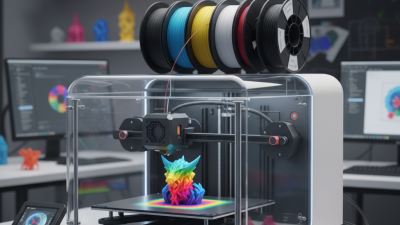
Top 10 3D Printers for Global Buyers in 2026?
As the world embraces innovation, the 3D printer market continues to evolve at an impressive pace. By 2026, buyers will face an array of options that promise to redefine manufacturing. The diverse applications of 3D printers span from prototyping to intricate designs, making them indispensable tools in various industries. These printers cater to different needs, whether for hobbyists or large enterprises.
Choosing the right 3D printer requires careful consideration. Specifications such as print quality, speed, and material compatibility are crucial. Buyers must understand their specific requirements, as not every machine fits every purpose. Additionally, some manufacturers may overstate capabilities, leading to potential disappointments. This evolving landscape also presents challenges, particularly in keeping pace with rapid technological advancements.
Amidst these choices, it’s vital to focus on reputable brands and user reviews. Reliable information helps buyers make informed decisions in a crowded market. Ultimately, the best 3D printer not only meets expectations but also inspires creativity and innovation. The decision should reflect a balance between personal needs and the inherent potential of each machine.
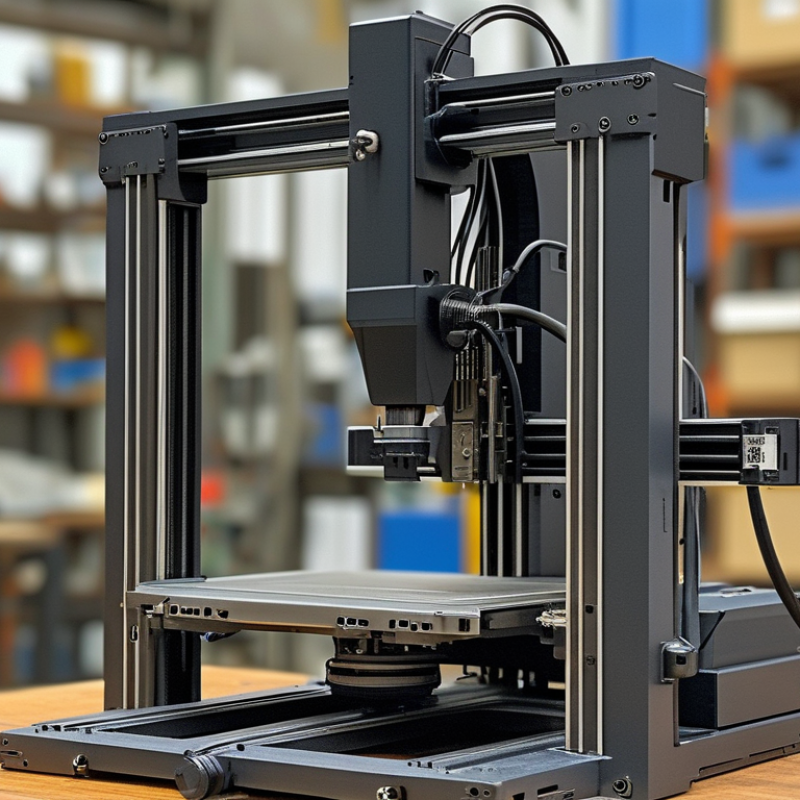
Overview of 3D Printing Technology in 2026
3D printing technology has rapidly evolved, making 2026 a pivotal year for innovation. The technology now boasts greater precision, improved materials, and faster speeds. Industries like healthcare and aerospace are embracing these advancements, using 3D printing for custom implants and lightweight components. This shift has the potential to reduce waste and streamline production.
Despite these advances, challenges remain. The high cost of advanced printers can be a barrier. Many users struggle to keep up with software updates and material compatibility. Additionally, the environmental impact of certain materials still raises questions. Manufacturers explore sustainable options, but the perfect solution is not yet evident. As technology progresses, users must stay informed and adaptable to meet evolving needs.
Key Features to Consider in 3D Printers
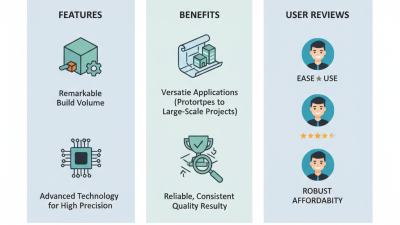
When evaluating 3D printers, key features play a pivotal role. Build volume is often a primary consideration. A larger build area opens up design possibilities. However, bigger isn’t always better. Consider your specific needs and available workspace.
Print resolution is another critical factor. A higher resolution yields finer details. But be mindful of the trade-off with speed. Slower print speeds may frustrate those seeking efficiency.
Material compatibility must also be assessed. Some printers handle various filaments, while others are limited. This affects your project flexibility. Additionally, ease of use is crucial for beginners. Intuitive software and clear instructions can significantly impact the user experience.
Lastly, look at the support ecosystem. Access to a strong community can help troubleshoot problems. Reliability is often overlooked until issues arise. By focusing on these key features, buyers can make informed decisions.
Top 10 Recommended 3D Printers for Global Buyers
When exploring the world of 3D printers, it’s essential to consider various factors. From user experience to material compatibility, every aspect plays a role in making your choice. Printers designed for hobbyists often have limited durability. Higher-end models, however, provide long-lasting performance and versatility.
Current trends suggest that overall ease of use is vital. Many users appreciate printers that are intuitive and require minimal setup. Yet, each model comes with its own quirks. Some printers may have inconsistent print quality. Users must weigh these imperfections against their creative needs. Reliability should never be overlooked. It directly impacts the workflow of both professionals and enthusiasts alike.
In the 3D printing landscape, innovations continue to emerge. New materials, enhanced speed, and better software integration are all on the rise. However, not all advancements are seamless. Occasionally, compatibility issues may arise with certain filament types. It's crucial for buyers to stay informed through reliable guides and reviews. This ensures their investment aligns with their specific projects.
Comparative Analysis of Performance and Price
As 3D printing technology evolves, buyers face a multitude of options. In 2026, performance and price will drive decision-making for potential users. It's vital to understand how these factors interact. High-performance printers often come with a higher price tag. However, budget-friendly options are emerging, offering sufficient quality for various applications.
Tips for buyers: Assess your intended use first. If you're a hobbyist, a mid-range printer may be adequate. For professional applications, consider investing more in higher-end models. Another crucial aspect is customer support. A brand with reliable support can save you headaches during your 3D printing journey.
Performance cannot solely be based on specifications. Real-world testing and reviews should influence your choice. Different materials yield varying results. Sometimes, a lesser-known brand may outperform a well-established one, leading to a re-evaluation of perceived value. Expect discrepancies between promised and actual performance.
Considering price, think beyond the initial cost. Factor in the ongoing expenses for materials and maintenance. This will provide a clearer picture of long-term investment. Remember, the best printer is one that meets your specific needs without straining your budget. It's essential to remain adaptable as the technology continues to develop.
Future Trends in 3D Printing Technology and Market Growth
The 3D printing industry is set to witness significant shifts by 2026. According to a recent report from MarketsandMarkets, the global 3D printing market is expected to grow from $13.7 billion in 2021 to over $34.8 billion by 2026. This growth reflects an increased adoption in various sectors, including healthcare, aerospace, and automotive. One emerging trend is the integration of AI and machine learning for optimizing printing processes. These technologies can enhance precision and reduce waste, fundamentally changing production approaches.
However, challenges remain. Onboarding new technology can be complex and costly. There is a learning curve that organizations must navigate. Another concern is material limitations. Not all 3D printing materials can meet industry standards for strength or durability. While advancements are being made, some sectors may struggle with the transition. Industry experts highlight the importance of ongoing research to address these challenges. The potential is enormous, but the path to realization is not without its obstacles. The interplay of innovation and adaptability will define the future landscape of 3D printing.
Top 10 3D Printers for Global Buyers in 2026