Top 2025 3D Printers for Large Scale Projects and Hobbyists
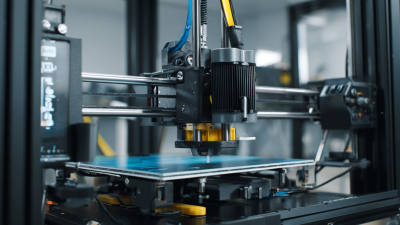
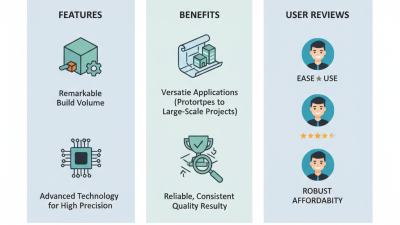
In the evolving world of 3D printing, the landscape has become vast and intricate. Large scale projects demand reliable machines that can handle complexity and size. Among these, the Anycubic Cobra Max 3D Printer stands out for its impressive build volume and versatility.
Hobbyists are drawn to affordable yet powerful options. The right printer can unleash creativity and innovation. Choosing the perfect model can sometimes feel overwhelming, especially with so many choices available. Some users experience frustrations with setup and calibration. These challenges often lead to reflections on user patience and persistence.
As we explore popular models for 2025, the need for adaptability becomes evident. A good printer should enhance your skills while accommodating diverse projects. Balancing quality with cost can be a tricky endeavor. It invites hobbyists to develop a deeper understanding of their tools. Ultimately, a well-thought-out choice can lead to remarkable results in both personal and professional realms.

Emerging Trends in 3D Printing for Large-Scale Projects in 2025
In 2025, 3D printing is set to experience significant advancements, particularly in large-scale projects. According to a recent industry report, the market size for large-format 3D printing is projected to reach $5 billion by 2026. This growth reflects a rising demand across sectors like construction, aerospace, and automotive. Companies are exploring how 3D printing can cut costs while reducing material waste. Yet, the technology still faces challenges in terms of scalability and material constraints.
Emerging trends indicate that sustainable materials will play a crucial role. A survey shows that 70% of manufacturers prioritize eco-friendly materials in their projects. Biodegradable PLA and recycled plastics are gaining traction. However, the strength and durability of these materials often come into question. As hobbyists and professionals adopt these new materials, the initial trials reveal both potential and complications. The need for reliable performance sometimes clashes with innovative sustainability goals.
Another area to watch is automation automation in 3D printing workflows. The integration of AI could streamline the design and production process. Yet, many users report difficulties in adapting existing designs to automated systems. This reflects an ongoing learning curve in utilizing advanced technologies. The future holds promise, but the journey is not without obstacles.
Key Features to Consider When Choosing a Large 3D Printer
When choosing a large 3D printer, several key features warrant careful consideration.
Build volume is crucial.
Large-scale projects require ample space.
Printers with a volume exceeding 300mm cubed offer flexibility in design.
According to industry reports, printers with larger dimensions can accommodate more extensive prototypes, reducing time spent on assembly.
Material compatibility should not be overlooked.
The ability to use diverse filaments is significant.
Some projects may demand specific materials, such as flexible or composite filaments.
Reports indicate that user satisfaction increases when printers have versatility in material use.
A printer that supports multiple materials might also enhance creativity.
However, switching between materials can lead to calibration issues, which can be frustrating.
Another critical aspect is the printer's reliability and ease of use.
Frustrating experiences with complicated setups can deter users.
Feedback from enthusiasts shows that straightforward interfaces and reliable performance are key.
Yet, many users struggle with maintenance and troubleshooting.
Finding a printer that balances advanced features with user-friendly operation is essential.
Ultimately, evaluating these factors can help guide the right choice for both hobbyists and professionals.
Top 3D Printer Models for Hobbyists: Performance vs. Cost in 2025
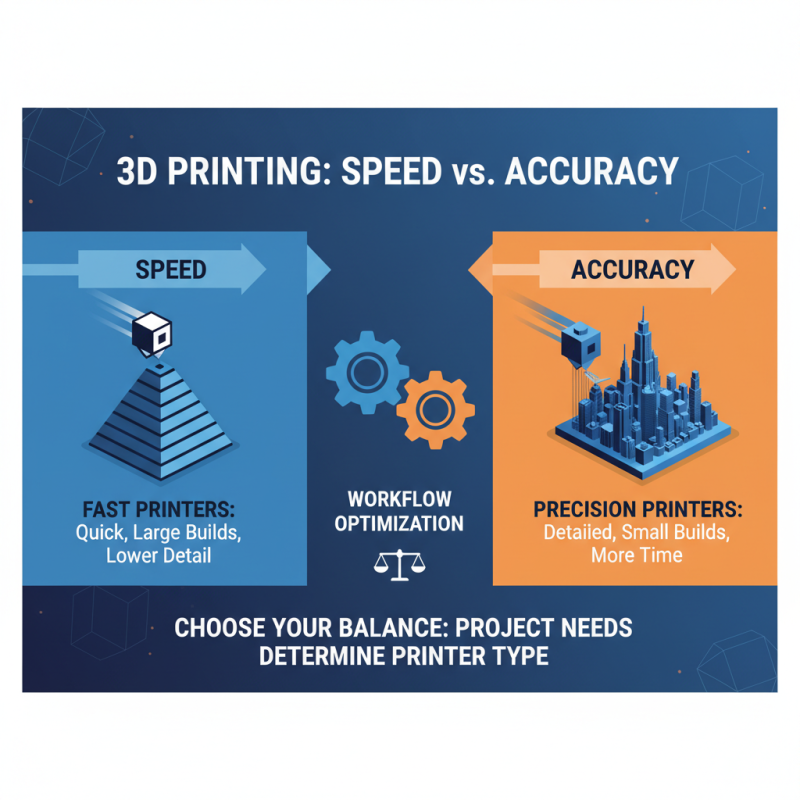
In 2025, many hobbyists seek 3D printers that blend performance and cost effectively. The market has expanded significantly. Numerous models cater to different needs and budgets. Some printers offer excellent resolution but at a higher price. Others are budget-friendly yet compromise on quality.
One notable trend is the rise of versatile multi-material printers. These machines allow users to experiment with various filaments. However, they often come with a steep learning curve. Novice users may find it challenging to set up and use effectively. Simplicity is crucial for hobbyists who want to dive in quickly.
Moreover, the concept of "build volume" is essential for large-scale projects. Many hobbyist printers have limited space. This restriction can lead to frustrating experiences. Users often must print in sections and assemble pieces later. The time and effort involved may be bothersome. In the end, balancing quality, cost, and usability determines the right choice for every hobbyist.
Material Innovations Driving Large-Scale 3D Printing Industry Growth
Material innovations are transforming the landscape of large-scale 3D printing. New filament types enhance durability and reduce costs. For instance, composite materials combine fibers with polymers, creating stronger results. This innovation is a game-changer for industries that require robust components.
Additionally, advancements in resin formulations have improved print quality significantly. These resins cure faster and offer better detail. However, the speed of innovation can be overwhelming. Engineers and hobbyists must constantly adapt to new materials and techniques. It can lead to confusion and inconsistency in projects.
Sustainability is another critical area of focus. Biodegradable materials and recycled plastics are gaining traction. These options offer hope for a greener printing future. Yet, their availability remains inconsistent. This inconsistency can hinder large-scale adoption. Users need time to explore and evaluate these materials for their specific needs.