China Top 3D Printer Manufacturers for Global Buyers?
In recent years, the demand for 3D printers has surged globally. This trend highlights the innovation taking place in China’s manufacturing sector. Many international buyers are keen to understand the top 3D printer manufacturers in China. These companies are known for their cutting-edge technology and affordable prices.
Chinese manufacturers offer a wide variety of 3D printer models to cater to different industries. Each company has unique strengths, but some struggle to meet international standards consistently. Buyers must consider factors like quality, support, and reliability when selecting a 3D printer.
Exploring these top manufacturers reveals valuable insights into the industry. Many brands showcase state-of-the-art designs that push the boundaries of what 3D printers can achieve. Yet, issues with after-sales service and technical assistance are notable. It’s essential for global buyers to conduct thorough research before making any decisions.
Overview of 3D Printing Industry in China
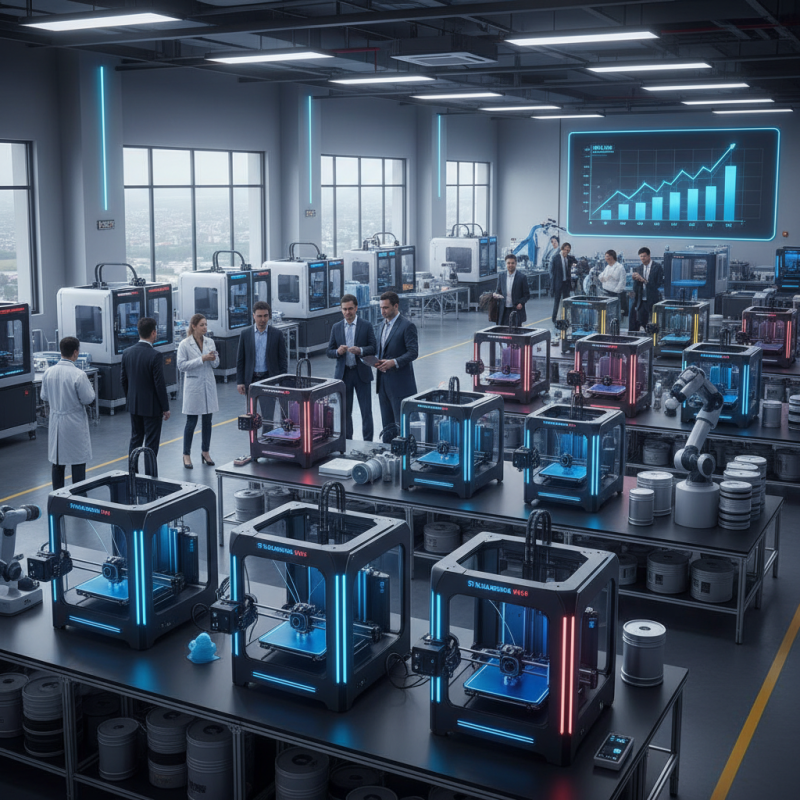
The 3D printing industry in China has shown remarkable growth in recent years. According to a report from the China 3D Printing Technology Industry Alliance, the market size reached approximately $5.5 billion in 2022, reflecting a compound annual growth rate of around 30%. This surge indicates a keen interest in innovative manufacturing and product development. Various sectors, including aerospace, automotive, and healthcare, are driving this trend.
Despite the rapid advancements, challenges remain. The technology's accessibility is still an issue for many small and medium-sized enterprises (SMEs). These businesses often lack the resources to invest in high-end machines and materials. Furthermore, quality control and standardization are persistent challenges in the Chinese market. Only a few companies consistently deliver products that meet international standards. The necessity for strict regulatory frameworks has become apparent, particularly as global demands for quality assurance increase.
Investment in research and development is crucial. Many industry experts emphasize the need for a skilled workforce that can handle sophisticated 3D printing technologies. There is a noticeable skills gap that hinders potential growth. These factors underline the importance of focusing on education and training within the industry to maintain competitiveness on a global scale.
Overview of 3D Printing Industry in China
Key Players in China's 3D Printer Market
China's 3D printer market has witnessed remarkable growth in recent years. According to industry reports, the market size is projected to reach over $9 billion by 2025. The rise in demand is driven by various sectors, including aerospace, healthcare, and automotive. These industries require innovative solutions for rapid prototyping and production efficiency.
Several key players dominate the landscape, contributing to this expansion. They focus on cutting-edge technology and user-friendly designs. Reports indicate that around 70% of 3D printers sold globally could come from China by 2024. However, challenges remain, such as addressing service and support gaps for international customers. The product quality and consistency can vary, requiring buyers to conduct thorough due diligence.
Innovation continues to be a double-edged sword. While advancements in materials and techniques enhance capabilities, they also introduce complexity. Buyers must navigate this evolving environment carefully. A strong understanding of local manufacturers' strengths and weaknesses is crucial. Despite these obstacles, China's 3D printing sector remains a focal point for global buyers.
A Detailed Look at the Top 3 Chinese 3D Printer Manufacturers
The 3D printing industry in China is expanding rapidly. Recent reports indicate that China's market accounted for over 30% of the global 3D printer sales in 2022. This growth is fueled by a surge in innovation and demand across various sectors, such as aerospace, healthcare, and automotive.
Three key manufacturers stand out in this competitive landscape. Each focuses on different application areas and technology advancements. Their unique approaches leverage local resources, cutting-edge research, and competitive pricing strategies. However, challenges remain. Quality control and consistency can vary among manufacturers. Buyers must navigate the complexities of this evolving market carefully.
Understanding the specific needs of your projects is crucial. Substantial differences exist in material compatibility and printing speed. Errors in selecting the right technology can lead to project delays and increased costs. Conducting thorough research and seeking expert advice is essential before committing to any purchase decision. This ensures that the selected 3D printing solution aligns with both your immediate objectives and long-term goals.
Technological Innovations by Leading Chinese 3D Printer Companies
Chinese 3D printer manufacturers are at the forefront of technological innovation in the industry. They focus on enhancing precision and speed. Recent advancements include improved material formulations and faster printing processes. These innovations enable the production of complex designs, catering to various industries like aerospace and healthcare.
In a competitive landscape, companies are exploring sustainability as well. Eco-friendly materials are becoming common. This shift reflects a broader trend towards green technology in manufacturing. However, not all innovations are without flaws. Some materials might not meet high-performance standards. It's important for buyers to conduct thorough research before making decisions.
Additionally, user-friendly interfaces are being integrated into 3D printers. This development makes technology accessible to more people. Yet, the learning curve remains a concern for new users. They often require additional training to master the equipment. As the market expands, addressing these challenges will be crucial for manufacturers aiming to retain their competitive edge.
Market Trends and Future Prospects for Chinese 3D Printers Globally
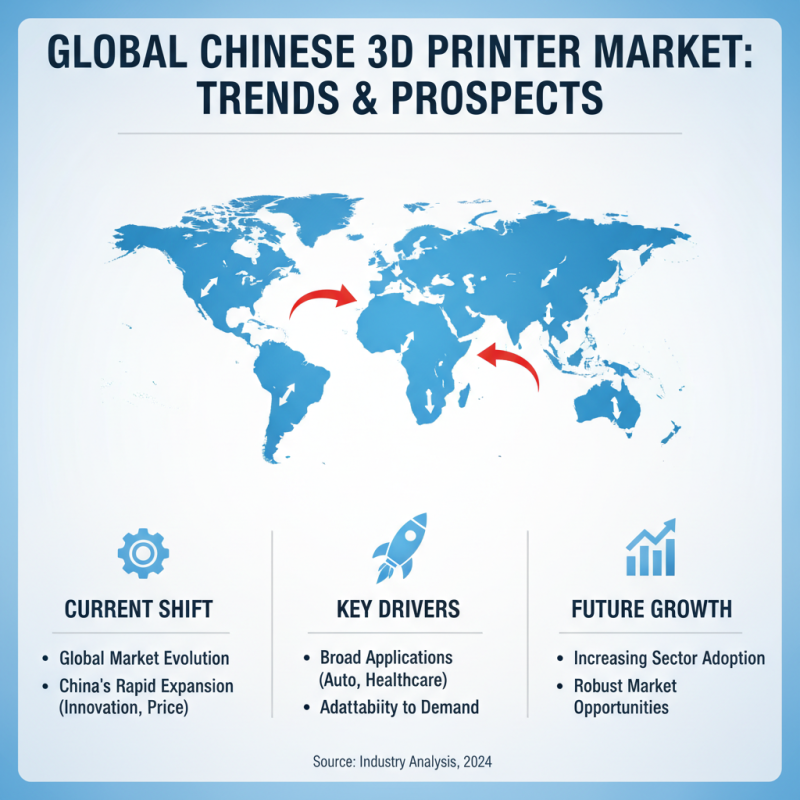
The global market for 3D printers is shifting. Chinese manufacturers are expanding rapidly, driven by innovation and competitive pricing. They focus on a broad range of applications, from automotive to healthcare. This adaptability is critical for meeting diverse global demands. The increasing use of 3D printing in various sectors creates a robust market opportunity.
Despite the growth, challenges remain. Quality control can be inconsistent among manufacturers. Buyers are often left questioning product reliability and support. This concern prompts a need for thorough research when selecting a supplier. The landscape is also influenced by evolving regulations and standards. Companies must stay informed to navigate these complexities responsibly.
Future prospects appear bright for Chinese 3D printers. As technology advances, enhanced capabilities will emerge. Sustainable practices are becoming more prevalent, appealing to environmentally conscious consumers. However, continuous improvement is essential. Companies need to address their shortcomings to maintain credibility. The balance of innovation and consistency will define their success in the global arena.