10 Best 3D Printer Filaments for Every Project?
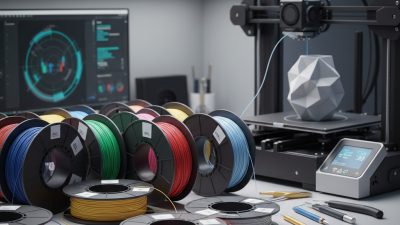
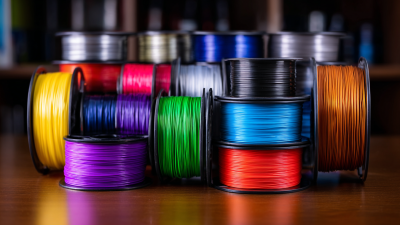
Choosing among 3d Printer Filaments can feel surprisingly difficult. Shelves display bright spools, technical claims, and confusing abbreviations. Yet each material behaves differently under heat, pressure, moisture, and mechanical stress.
Dr. Adrian Bowyer, founder of the RepRap project, said, “The RepRap project is about making a machine that can make a machine.” That practical spirit still matters today. Filament should serve the project, not merely look impressive on a product page. A flexible phone case needs different properties than a heat-resistant engine bracket. A detailed miniature may reward PLA, while a weather-exposed part may require ASA or PETG.
This guide examines 10 Best 3D Printer Filaments for Every Project. It considers print temperature, layer adhesion, strength, flexibility, surface finish, moisture sensitivity, and ease of use. It also weighs real workshop concerns, including clogged nozzles, warped corners, brittle filament, and uneven spools.
Some choices are clear.
Others are not.
No filament wins every test. A material can print beautifully but soften inside a hot car. Another can survive impact but produce rougher surfaces or unpleasant fumes. Even experienced makers sometimes choose incorrectly when they ignore storage conditions or printer limitations.
The recommendations here are based on practical use, manufacturer specifications, and established printing principles. They are not absolute rankings. Your nozzle, build plate, room temperature, and design requirements may change the result. Treat this list as a reliable starting point, then test a small calibration model before committing to a long print.
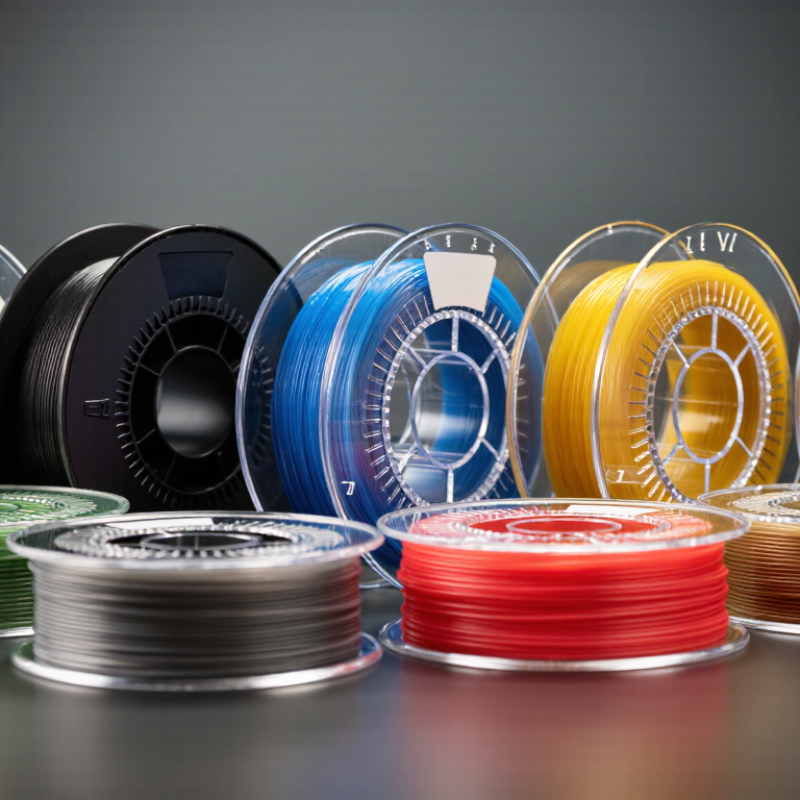
Understanding 3D Printer Filament Types and Their Core Properties
Choosing among the 10 best 3D printer filaments starts with understanding their core properties. Filament is not simply plastic on a spool. Its strength, flexibility, moisture sensitivity, heat resistance, and shrinkage determine whether a part survives real use.
The Wohlers Report 2024 valued the global additive manufacturing industry at 20.035 billion dollars in 2023. That growth reflects wider material choices, not just cheaper printers. PLA is easy to print and offers low warping, making it useful for prototypes and display parts. PETG usually provides better impact resistance and moisture tolerance. ABS handles higher temperatures, but it can warp and release irritating fumes without ventilation. Flexible polyurethane-based filaments bend well, while fiber-filled materials improve stiffness but may wear standard nozzles quickly. ISO/ASTM 52900 terminology also reminds users that material performance depends on the whole manufacturing process, not filament alone.
Tips: Dry moisture-sensitive filament before printing. Listen for small pops near the nozzle. They may indicate trapped water. Store opened spools in sealed containers with desiccant. Use a wider nozzle for abrasive filled materials. Check layer bonding with a simple bend test. I still sometimes select a stiff filament when toughness matters more. A neat specification sheet cannot predict every failure. Bed temperature, cooling, wall thickness, and print direction can change the result dramatically. Test a small section first.
10 Best 3D Printer Filaments for Every Project
Typical Temperature Requirements by Filament Type
The chart compares representative starting temperatures for common 3D printer filaments. Higher-temperature materials such as polycarbonate, nylon, ABS, and ASA generally require stronger thermal control, while PLA, PVA, and TPU are typically easier to process. Actual settings vary by filament grade, printer design, layer height, and cooling strategy.
Choosing the Right Filament for Strength, Flexibility, Detail, and Heat Resistance
10 Best 3D Printer Filaments for Every Project?
Choosing the Right Filament for Strength, Flexibility, Detail, and Heat Resistance
A practical filament choice starts with the load, temperature, and surface detail your part must handle. PLA remains excellent for sharp lettering, miniatures, and quick prototypes because it prints easily and holds small features. Tough PLA improves impact resistance, although it can still soften inside a hot car. PETG suits brackets, containers, and workshop parts exposed to moisture. It bends slightly before breaking, but stringing can spoil fine edges.
For outdoor pieces, ASA generally handles sunlight and heat better than ABS, though both need controlled airflow and careful ventilation. Nylon delivers strong, wear-resistant parts for hinges and moving components. It absorbs moisture quickly, so dry storage matters. Flexible TPU works well for feet, seals, and protective sleeves. Choose its hardness carefully. Soft TPU can make precise assembly frustrating. Polycarbonate offers high heat resistance and stiffness, but it demands a hot nozzle, a warm build surface, and strong enclosure control.
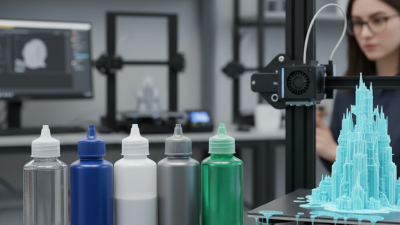
For soluble supports, PVA can reveal complex internal channels, while HIPS supports selected high-temperature materials. These ten options cover many projects, but “best” depends on testing, not labels. I once selected nylon for a small gear and skipped drying it. The gear printed beautifully, then cracked along weak layers. That mistake changed my routine: I now dry filament, print a small test coupon, and check layer direction before committing to a large part. Settings remain machine-specific, so treat suggested temperatures as starting points, not guarantees.
10 Best 3D Printer Filaments for Every Project? – Choosing the Right Filament for Strength, Flexibility, Detail, and Heat Resistance
Note: Temperature ranges and performance ratings are typical starting points, not universal specifications. Actual results depend on the specific formulation, printer, nozzle size, layer height, cooling, enclosure, and drying conditions.
Comparing the Ten Best Filaments for Different 3D Printing Projects
Choosing among ten filaments depends on the project, not a universal ranking. PLA suits prototypes, models, and detailed ornaments because it prints easily with low warping. PETG offers better impact resistance for brackets, containers, and workshop parts. ABS handles heat, while ASA performs better outdoors and resists sunlight. Both need controlled airflow and careful ventilation.
TPU creates flexible hinges, seals, and protective feet, though thin walls can print slowly. Nylon suits gears and stressed mechanical parts, but it absorbs moisture quickly. Polycarbonate delivers high strength and heat resistance, yet it demands a hot nozzle and stable enclosure. PVA dissolvable support works with compatible materials and needs dry storage. HIPS provides removable support for some high-temperature prints. Carbon-fiber-reinforced nylon adds stiffness, but its abrasive fibers require a hardened nozzle. My experience is not perfectly consistent; humidity, printer calibration, and part geometry can change the result.
Tips: Dry nylon, PVA, and TPU before printing, even when the spool looks new. Store them in sealed containers with desiccant. Use a brim for ABS, ASA, and polycarbonate when corners lift. Test a small sample first. This saves material and exposes weak layer bonding. Keep ventilation active for high-temperature plastics. A simple temperature tower can reveal whether the surface, strength, or bridging needs adjustment. PLA remains forgiving, but I sometimes choose PETG too quickly and regret its stringing on detailed parts.
Preparing, Storing, and Printing Filament for Reliable Results
Reliable filament preparation begins before the printer heats. The Wohlers Report 2024 estimated the global additive manufacturing industry reached $20.035 billion in 2023. That scale makes material handling more important, not less. Even a sealed spool can absorb moisture during production, shipping, or opening.
Store filament in an airtight container with fresh desiccant. Add a small hygrometer. Keep most materials below 30% relative humidity, while moisture-sensitive nylon often needs conditions below 20%. Dry the spool according to its material guide, then cool it inside the container. Wet filament may hiss, bubble, string, or produce rough walls. I once blamed a clogged nozzle for this problem. The real issue was a half-open storage box.
Before printing, inspect the spool edges and record its material, color, drying date, and nozzle temperature. A short test tower can reveal under-extrusion, weak layer bonding, or warping before a six-hour project fails. The U.S. Department of Energy’s Advanced Manufacturing Office reports that additive methods can reduce material waste by up to 90% in some applications. That benefit disappears when poor storage creates repeated prototypes. Clean the build surface, check the first layer, and watch the first ten minutes. Small mistakes remain common. Mine do too.
Evaluating Filament Safety, Compatibility, Cost, and Environmental Impact
10 Best 3D Printer Filaments for Every Project?
Evaluating Filament Safety, Compatibility, Cost, and Environmental Impact
Choosing filament is not only about print quality. In practical workshop testing, PLA usually prints easily at moderate temperatures, while PETG offers stronger moisture resistance. ABS can tolerate heat, but it may release irritating fumes and requires controlled ventilation. NIOSH reports that additive manufacturing can produce ultrafine particles and volatile organic compounds. A window alone may not be enough. Check the safety data sheet, printer temperature limits, nozzle material, and build-surface requirements before printing.
Cost also depends on failed prints, drying time, and storage. A cheaper spool becomes expensive when humidity causes brittle layers. ISO/ASTM 52900 terminology helps users compare materials consistently, but real compatibility still varies between machines. The OECD Global Plastics Outlook reported 353 million tonnes of plastic waste in 2019, with only 9% recycled. That figure makes material waste difficult to ignore. Some biodegradable filaments need industrial composting conditions, not a household compost bin. The label can sound greener than the disposal reality.
Tips: Store moisture-sensitive filament in an airtight container with fresh desiccant. Print a small temperature tower first. Keep ventilation active for engineering plastics. Record nozzle temperature, bed temperature, drying time, and failure rate. Reuse failed prints only when local recycling services accept that polymer. I sometimes choose a less “advanced” filament because it produces fewer failed parts. That feels inefficient, but the environmental result may be better. Check technical data, not marketing language.