Top 10 Metal 3D Printers for Global Buyers
Choosing a Metal 3d Printer is a production decision, not a simple equipment purchase. Global buyers must compare build volume, laser power, powder handling, software, certification support, and service response. A polished machine can still disappoint without trained operators and stable process control. That is the uncomfortable part.
Professor Milan Brandt, a leading additive manufacturing specialist at RMIT University, has emphasized, “Metal additive manufacturing must be judged by the whole production system, not the printer alone.” This view guides our selection. We examine practical performance, not only impressive brochures. The review considers stainless steel, titanium, aluminum, and nickel alloy applications. It also examines dimensional accuracy, repeatability, monitoring systems, maintenance access, and total ownership cost.
Each printer in this guide serves a different buyer. Some suit aerospace research and complex internal channels. Others target dental laboratories, industrial tooling, or short-run production. Build chambers, powder recovery, inert gas quality, and calibration routines can affect daily output. Small details matter. A clogged filter can stop a valuable production shift.
The ranking is not absolute. Regional support, import requirements, operator skills, and material availability can change the final decision. We may also overlook emerging technologies, because this market develops quickly. Therefore, buyers should validate claims through sample parts, reference customers, and independent testing. The following Top 10 Metal 3D Printers list offers a practical starting point for responsible comparison, while leaving room for careful judgment.
Metal 3D Printing Fundamentals for Global Buyers
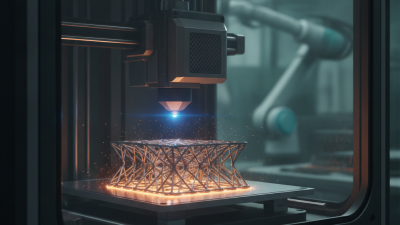
Metal 3D printing builds parts layer by layer from metal powder or wire. Common processes include powder bed fusion, directed energy deposition, and binder jetting. Each process suits different geometries, production volumes, and finishing requirements.
Powder bed systems can produce detailed channels and lightweight structures. However, they need careful support design and thermal control. A small change in laser power, scan speed, or layer thickness can affect density and surface quality. Operators should review material certificates, powder reuse limits, and calibration records before production. Stainless steel, aluminum, titanium, and nickel alloys each require different parameter sets. One setting does not fit all.
Global buyers should check the full workflow, not only the machine price. Ask about inert gas consumption, filtration, software access, maintenance training, and spare-part delivery. Confirm whether the supplier can provide tensile, hardness, density, and dimensional test data. Post-processing may include stress relief, heat treatment, machining, or surface polishing. These steps influence the real cost and delivery time. A reliable evaluation also includes factory acceptance testing and sample-part inspection.
The first design may fail. That is normal. Weak supports, trapped powder, or unexpected distortion can reveal gaps in the process plan. Buyers should request a documented validation route with clear acceptance criteria. Regional safety rules, worker protection, electrical requirements, and powder-handling procedures must be reviewed before installation. The best choice is rarely the fastest purchase. It is the system that matches materials, operators, quality needs, and long-term service conditions.
Key Criteria for Comparing Metal 3D Printers
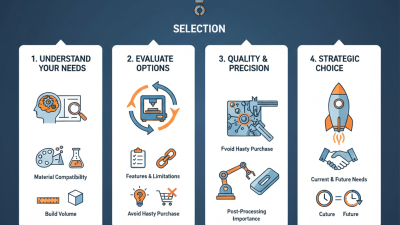
Choosing among the top metal 3D printers requires more than comparing laser power or advertised speed.
Wohlers Report 2024 valued the global additive manufacturing industry at
$20.035 billion
in 2023, with
13.5%
annual growth.
That expansion increases choice, but also creates comparison risks.
Start with application fit.
Check build volume against real part dimensions, not brochure limits. A larger chamber is not automatically better. Evaluate dimensional accuracy, surface roughness, layer thickness, and thermal stability using identical test geometries.
For production, repeatability matters more than one impressive sample.
Review independent inspection records, calibration procedures, and powder traceability.
Safety systems also deserve attention
including inert-gas monitoring, filtration, and sealed powder handling.
Productivity requires a wider calculation. Compare laser configuration, scan strategy, recoater design, utilization rate, and post-processing time.
The AMPOWER Report 2024 highlights continuing pressure to reduce cost per part as metal additive manufacturing scales.
Therefore, energy consumption, powder refresh rates, maintenance intervals, and operator training belong in the total-cost model. Do not ignore software.
Parameter control and process monitoring can reveal unstable melt pools before defects become expensive.
Still, monitoring is not proof of quality. Validation remains necessary.
A useful comparison should include machine price, consumables, service access, qualification effort, and five-year operating costs. Some assumptions will be wrong. Recheck them with production data.
Regional Purchasing, Compliance, and Service Considerations
A global top-ten list of metal 3D printers should not rely on specifications alone. Regional purchasing changes the real value of each machine. Check local electrical standards, import documentation, installation rules, and powder-handling requirements before comparing prices. A printer suited to one factory may create delays elsewhere.
Service access matters just as much. Ask about technician response times, remote diagnostics, spare-part availability, and operator training in your region. Confirm whether critical components can clear customs without long delays. Also review software licensing, data security, workplace ventilation, and required safety procedures. These details often influence production more than build volume.
Tips: Request a site-readiness checklist before signing. Compare total ownership costs over five years, not only the purchase price. Speak with local users when possible. Their maintenance records may reveal practical weaknesses. A perfect shortlist is rare. I would also leave room for revision, because regulations and service capacity can change during procurement. Keep written compliance records, and assign one person to verify every regional requirement.
Top 10 Metal 3D Printers for Global Buyers: Regional Purchasing, Compliance, and Service Considerations
Regional procurement readiness index based on documented purchasing factors: regulatory conformity, electrical safety, installation support, operator training, spare-parts access, and service coverage.
Higher scores indicate a broader set of procurement and post-sale requirements that buyers should verify before purchasing metal additive manufacturing equipment. Requirements may include CE or UKCA conformity, electromagnetic compatibility, local electrical standards, workplace safety controls, qualified installation, maintenance training, and documented service response procedures. The index is a planning framework rather than a market-share or supplier ranking.
Total Cost of Ownership and Final Selection Factors
Choosing among the top ten metal 3D printers requires more than comparing purchase prices. A low entry price can hide expensive powder handling, filters, calibration, and operator training. Ask suppliers for five-year ownership estimates, not promotional payback charts. Request service rates, spare-part lead times, and expected annual maintenance hours. These figures reveal whether a machine fits your production reality.
Calculate cost per qualified part, including material waste, support removal, heat treatment, inspection, labor, energy, and facility controls. A printer using less powder may still cost more if its build cycle is slow. Track actual utilization, not the advertised build volume. A 30 percent idle rate changes the economics quickly. In my evaluations, the overlooked line item is often post-processing. It can require another technician, furnace capacity, and documented quality checks. Small details matter.
Final selection should match local voltage, ventilation rules, worker training, import duties, and available technical support. Confirm software compatibility and data security before signing a contract. Ask for sample parts made with your alloy, target geometry, and required tolerances. The result should be measured independently. Do not trust a perfect demonstration. It is only one build. A pilot run may expose recoater wear, difficult powder recovery, or unstable surface finish. I would also score supplier responsiveness during a deliberately difficult technical question. This is imperfect evidence, but revealing. Choose the system your team can operate safely and maintain consistently, not the machine with the longest feature list.