• 658d1e4uz7
  • 658d1e46zt
  • 658d1e4e3j
  • 658d1e4dcq
  • 658d1e4t3e
  • Leave Your Message

    Top 10 Resin for 3D Printers Which One Should You Buy?

    Choosing the right Resin For 3d Printer is rarely as simple as selecting the highest-rated bottle. A miniature, dental model, engineering bracket, and functional prototype demand different performance. Surface detail, impact strength, flexibility, odor, curing behavior, and dimensional stability can change the result completely. A resin that prints beautifully on one machine may fail on another.

    The market deserves careful attention. Wohlers Associates’ 2024 report valued the global additive manufacturing industry at approximately $20.0 billion in 2023, showing how quickly professional and consumer applications are expanding. However, growth does not make every material reliable. ISO/ASTM 52900 terminology also reminds buyers to distinguish photopolymer processes, material properties, and intended applications. Manufacturer data sheets remain essential. Check exposure ranges, tensile strength, elongation, heat resistance, and post-curing instructions before purchasing.

    Small tests matter.

    This Top 10 Resin for 3D Printers guide compares popular materials through practical criteria rather than marketing claims. We consider print consistency, detail retention, washability, curing requirements, safety information, and value per finished part. A resin may advertise high toughness, yet a thin wall can still crack after aggressive washing. Another may provide excellent clarity, but yellow under prolonged ultraviolet exposure. These limitations are easy to miss.

    The ranking is useful, not absolute. Printer calibration, ambient temperature, cleaning method, and user experience can alter performance. Some conclusions may need revision as manufacturers update formulations. Treat this guide as a tested starting point, then confirm every choice against your printer’s settings and the resin’s current technical documentation.
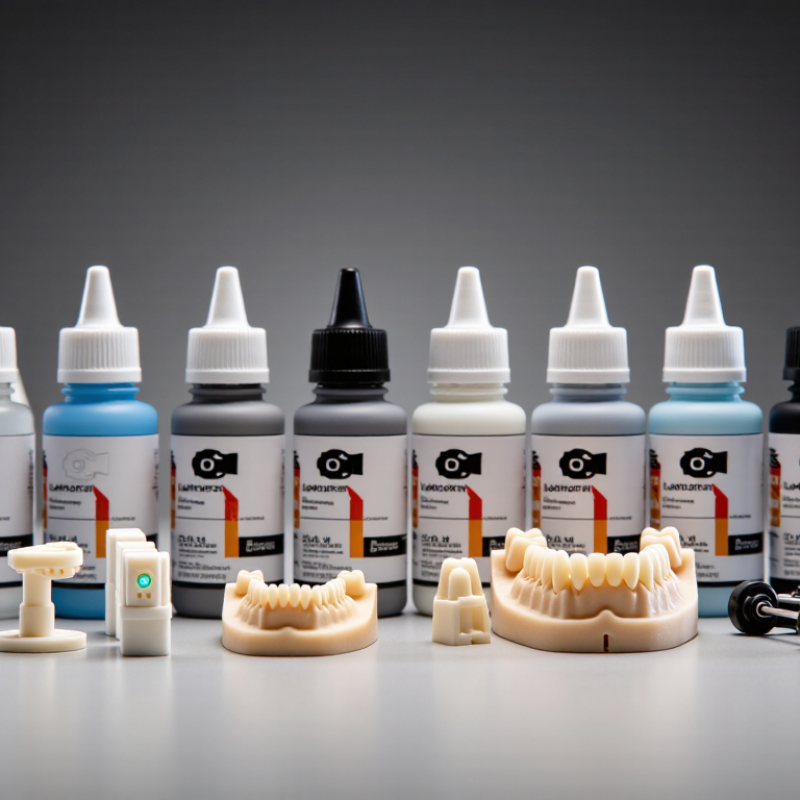
    Top 10 Resin for 3D Printers Which One Should You Buy?

    What 3D Printer Resin Is and How It Works

    Resin for 3D printers is a liquid photopolymer that hardens under controlled ultraviolet light. Most resin printers use an LCD screen to shape each layer. The screen blocks selected areas, while light cures the exposed resin below it. The platform then lifts slightly, allowing fresh liquid to flow underneath.

    Different resins create different results. Standard resin suits detailed display models, while tough resin handles moderate impact better. Flexible resin bends, but it often needs slower printing and careful support placement. Water-washable resin can simplify cleaning, although it still requires proper curing and safe handling. In workshop testing, exposure time affects more than surface quality. Too little exposure creates weak details; too much exposure makes small openings close. I still find calibration easy to underestimate.

    Tips: Wear nitrile gloves and protective eyewear when handling uncured resin. Use ventilation, and keep the workspace away from food. Check the printer’s exposure range before choosing a resin. After printing, wash the model as directed, then cure it evenly. Inspect the underside for sticky areas. A model that looks finished may still contain uncured resin inside. Avoid relying only on a product label; temperature, layer height, and printer settings change performance. Record successful settings for each resin, because memory is surprisingly unreliable.

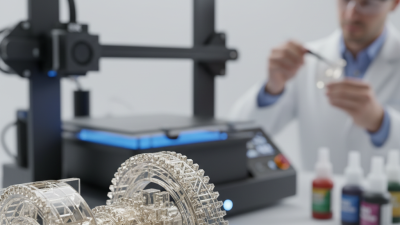
    Key Resin Types and Their Main Printing Applications

    Choosing resin depends less on popularity and more on the part’s real job. Standard resin suits display models, miniatures, and early design checks. It captures fine textures, sharp edges, and small facial details. However, it can be brittle when dropped or repeatedly stressed. I have seen thin clips crack during assembly, even when the print looked perfect.

    Tough or durable resin is better for functional housings, hinges, and snap-fit prototypes. It bends slightly before failing. Flexible resin works for gaskets, grips, and soft-touch components, but it needs careful support placement. Water-washable resin simplifies cleaning, yet it still requires proper curing and safe handling. Castable resin serves detailed patterns for professional casting workflows. Dental and engineering resins need stricter process control and verified technical data. The wrong resin can waste an entire print overnight.

    Tips: Match resin strength to the part’s movement, not its appearance. Check viscosity, curing requirements, shrinkage, and safety documentation before printing. Use thin test pieces first. My own mistake was judging toughness from a successful flat sample; the same material failed at a sharp corner. Also, under-cured parts may feel soft, while over-curing can reduce flexibility. Keep records of exposure time, layer height, wash duration, and final curing. Small changes matter.

    How to Compare Resin Quality, Performance, and Safety

    Top 10 Resin for 3D Printers: Which One Should You Buy?

    Comparing resin requires more than reading a strength claim. Check viscosity, pigment consistency, curing range, and dimensional accuracy. A reliable resin should produce sharp edges, stable supports, and smooth surfaces across repeated prints. Test small parts first. This reveals warping, brittle corners, and failed supports before a larger project wastes material. I once focused too much on surface finish. Later, dimensional stability mattered more for assembled parts.

    Performance depends on your printer, room temperature, exposure settings, and model design. A resin that works well at 25°C may behave poorly in a colder workshop. Review technical data, but treat it as a starting point. Measure your own results with a calibration model, calipers, and simple drop tests. Strength is not one thing. Toughness, hardness, flexibility, and heat resistance can differ sharply.

    Tips: Compare equal print settings and identical models. Record exposure time, failure rate, odor, and post-curing changes. Choose a resin with clear safety documentation, including handling, storage, ventilation, and disposal guidance. Wear suitable gloves and eye protection, and avoid skin contact with uncured material. Keep containers closed and label them clearly. “Low odor” does not mean harmless. Safety claims deserve careful checking.

    Top 10 Resin for 3D Printers Which One Should You Buy? - How to Compare Resin Quality, Performance, and Safety

    Rank Resin Type Typical Tensile Strength Typical Elongation Typical Heat Deflection Temperature Surface and Detail Quality Best Applications Main Limitations Safety and Handling Buying Recommendation
    1 Standard Resin 35–65 MPa 2–10% 45–70°C Very good detail, smooth surfaces, broad color availability Miniatures, display models, prototypes, general-purpose parts Can be brittle; limited impact and outdoor durability Wear gloves and eye protection; wash and fully cure before handling as a finished part Best starting point for low-cost, high-detail printing
    2 Tough Resin 35–55 MPa 15–40% 50–65°C Good detail with improved impact resistance Functional prototypes, clips, housings, snap-fit parts Usually softer and less heat-resistant than engineering resins Use normal uncured-resin precautions; avoid skin contact and wash parts thoroughly A strong all-round choice when standard resin breaks too easily
    3 ABS-Like Resin 35–60 MPa 10–25% 60–85°C Sharp detail with a balance of stiffness and toughness Mechanical prototypes, enclosures, brackets, replacement components Properties vary widely; prolonged UV exposure may cause aging Follow the product safety data sheet and provide ventilation during printing A practical choice for parts needing better durability than standard resin
    4 Durable or Flexible Resin 2–40 MPa 50–300% 35–65°C Smooth surfaces with rubber-like or impact-absorbing behavior Gaskets, grips, hinges, wearable models, protective covers Lower stiffness and dimensional stability; may require special supports Uncured flexible resin can be difficult to remove from skin and surfaces Choose when flexibility or impact absorption matters more than rigidity
    5 High-Temperature Resin 45–80 MPa 3–10% 150–300°C Fine detail, but often more brittle and more sensitive to post-curing Heat-resistant fixtures, molds, casting patterns, laboratory prototypes Higher cost, slower printing, and stricter curing requirements Use ventilation and follow the specified thermal post-cure procedure Buy only when the required heat resistance is documented in the technical data sheet
    6 Castable Resin 20–50 MPa before burnout 2–10% Not the primary selection criterion High-resolution surfaces when printed and burned out correctly Jewelry patterns, investment casting, small metal-casting masters Requires compatible investment material and a controlled burnout schedule Avoid fumes from burnout; use kiln ventilation and follow the casting process documentation Select based on ash content, expansion behavior, and validated burnout instructions
    7 Water-Washable Resin 30–55 MPa 3–15% 45–75°C Good detail and convenient cleaning, with formulation-dependent brittleness Home workshops, models, prototypes, users who want simpler cleanup Wash water becomes contaminated waste; parts may crack if over-washed or under-cured Do not pour contaminated wash water into drains; cure contaminated liquid before disposal according to local rules Convenient, but not automatically safer than conventional resin
    8 Dental Model Resin 40–80 MPa 5–15% 80–110°C High dimensional accuracy and clean margins for model work Orthodontic study models, dental laboratory casts, diagnostic models Not automatically suitable for contact with patients or food Use only for the application stated in the technical documentation; fully wash and cure Choose for model production, not clinical use, unless the material is specifically certified
    9 Biocompatible Resin 40–80 MPa 5–20% 60–120°C Precise surfaces when printed on a validated printer and process Specific medical or dental applications covered by the material certification Certification may apply only to a defined device, printer, wash, and cure workflow Never assume general safety; verify regulatory documentation and follow the validated process Buy only for a documented professional application requiring biocompatibility
    10 Ceramic-Filled or Composite Resin 45–90 MPa 2–12% 70–150°C Rigid parts with a matte, mineral-like surface and reduced shrinkage in some formulations Rigid fixtures, housings, scale models, dimensional prototypes More abrasive, heavier, and potentially more brittle than unfilled resin Use respiratory protection when sanding; prevent uncured material and dust from entering waterways Choose when stiffness, appearance, or dimensional stability outweighs ease of sanding
    Comparison note: The performance figures are representative ranges reported for common resin formulations, not guaranteed values for every product. Actual results depend on layer thickness, exposure settings, washing, post-curing, printer hardware, and test method. Always check the current technical data sheet and safety data sheet before purchase or use.

    Top 10 Resins for 3D Printers and Their Best Uses

    Top 10 Resins for 3D Printers and Their Best Uses

    The global additive manufacturing industry reached about $20.0 billion in 2023, according to the Wohlers Report 2024. Resin selection now matters beyond surface appearance. Standard resin suits display models, miniatures, and classroom prototypes. Tough resin handles snap-fit parts and repeated assembly better. Durable resin works for hinges, living mechanisms, and flexible packaging mockups. Flexible resin produces grips, seals, footwear studies, and soft-touch prototypes. It needs careful support placement.

    Clear resin fits light pipes, fluid-flow models, and transparent housings. High-temperature resin serves heat-resistant fixtures, molds, and thermal testing. Castable resin supports jewelry and small metal-casting patterns, with burnout settings requiring verification. Ceramic-filled resin creates rigid, detailed forms for artistic or technical demonstrations. ABS-like resin offers a useful balance for enclosures, clips, and general engineering samples. Dental model and biocompatible resin belong to specialized workflows, requiring validated processing and professional oversight. “Biocompatible” is not automatically a medical approval.

    Material data sheets should guide exposure, washing, curing, and storage decisions. ASTM International and ISO 52900 emphasize consistent additive manufacturing terminology, but terminology does not guarantee performance. I have seen a beautifully printed part crack after one week. My mistake was trusting hardness alone. Test temperature, impact, moisture, and repeated movement before choosing production material. The best resin depends on its real workload, not its marketing label.

    Which Resin Should You Buy for Your Printing Needs

    Choosing resin depends on what you need to print, not simply on advertised detail. For miniature figures, standard or high-detail resin can produce sharp facial features and smooth surfaces. For functional parts, tough or durable resin is usually a better choice. It handles drops and repeated handling more reliably. Flexible resin suits gaskets, grips, and soft components, but it may need slower printing and careful support placement.

    Check the resin’s curing requirements before buying. Exposure settings vary with color, layer height, and printer power. A clear resin may cure differently from an opaque black resin. I normally print a small calibration test first, then inspect edges, holes, and surface texture. This saves material, although one test cannot predict every failure. Temperature also matters. Cold resin often becomes thicker and prints poorly. Keep the workspace ventilated, wear suitable gloves, and follow the safety data provided with the material.

    Tips: Match resin strength to the object’s real use. Do not choose the hardest resin automatically. Wash parts thoroughly, then cure them gradually. Over-curing can make some prints brittle. Keep notes about exposure time, washing duration, and room temperature. Small records help, but they are not perfect; different batches can still behave differently.

    Top 10 Resins for 3D Printers: Which One Should You Buy?

    Typical tensile strength comparison by resin type

    Standard and engineering-oriented resins generally provide the highest tensile strength, while flexible resin is designed for elasticity rather than rigidity. These representative values are based on typical published technical ranges for each resin category; actual performance depends on formulation, exposure settings, washing, and post-curing. Choose standard resin for visual prototypes, tough or ABS-like resin for functional parts, flexible resin for soft components, castable resin for jewelry patterns, and high-temperature resin for heat-resistant applications.