Discover the Best Wall Printer Machine for 3D Wall Solutions?
In the ever-evolving world of interior design, the Wall Printer Machine 3D Wall offers an innovative solution. This technology combines art and printing to create stunning wall murals. These machines enable intricate designs that transform any space. The clarity and precision of the prints can evoke emotions and enhance environments.
However, selecting the best wall printer machine isn't straightforward. Each model has its strengths and weaknesses. Users often grapple with various considerations such as print quality, speed, and durability. Some machines excel in fine details, while others focus on efficiency. Therefore, understanding these nuances is crucial for making an informed decision.
Experts recommend evaluating which features align with your specific needs. This can significantly impact the outcome of your project. The investment in a Wall Printer Machine 3D Wall should reflect your long-term vision. Rushing into a purchase can lead to regret. Balancing creativity with practicality ensures a rewarding experience.
Understanding Wall Printing Technology and Its Applications
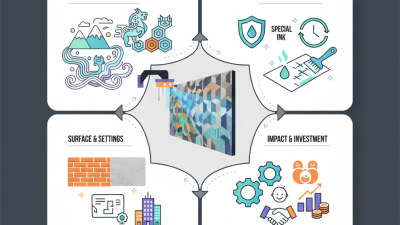
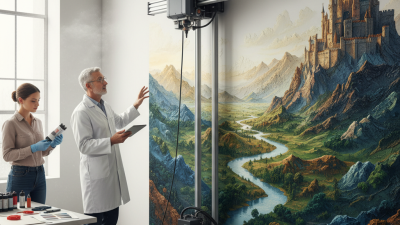
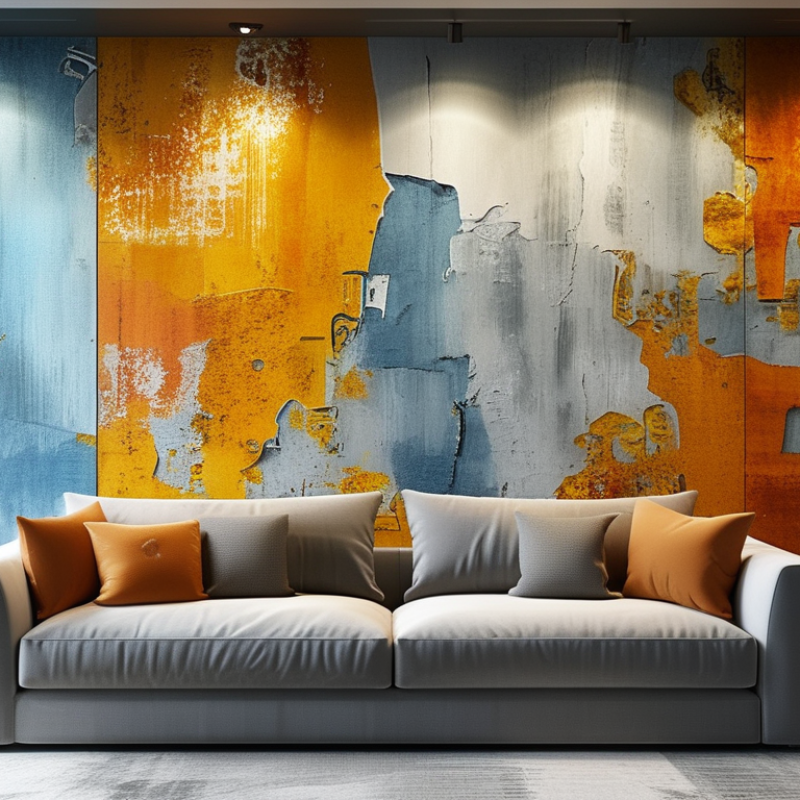
Wall printing technology offers innovative solutions for creating stunning 3D wall designs. This method utilizes specialized printers that apply high-quality inks directly onto surfaces. With intricate patterns and vivid colors, these printers enable artists and designers to transform ordinary walls into exceptional works of art.
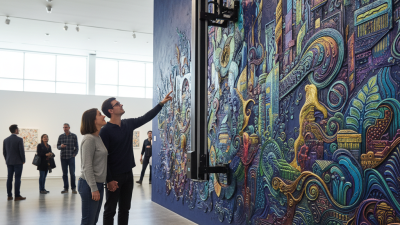
Understanding the applications of wall printing showcases its versatility. It's not just for murals; wall printing can enhance commercial spaces, residential areas, and public art projects. The technology allows for customization, where designs can be tailored to fit specific themes or branding requirements. Various materials can also be printed on, expanding the possibilities. However, challenges exist in terms of preparation and surface quality, which must be addressed for optimal results.
The potential of wall printing lies in its ability to create unique environments. Some may find it difficult to achieve the desired finish, requiring practice and experimentation. While the technology can simplify large-scale artworks, it demands technical skill and creativity. Professional guidance may be needed to ensure that designs are executed flawlessly.
Key Features to Look for in a Wall Printer Machine
When choosing a wall printer machine, consider key features for 3D wall solutions. A reliable printer should have high-resolution capabilities. Look for machines that offer vibrant colors and fine details. The quality of output is crucial for professional-looking murals. Pay attention to the printing speed as well. A fast printer can complete larger projects efficiently, saving you time.
Flexibility is another essential aspect. Choose a machine that can handle various surfaces easily. The ability to print on textured walls or uneven surfaces is significant. Consider the software compatibility too. User-friendly interfaces make the creative process smoother. An ideal printer should allow easy editing and adjustments to designs.
Don't overlook the machine's durability and maintenance requirements. High-quality materials ensure longevity, but regular upkeep is necessary. Check for support options and warranties as well. These factors will impact your investment in the long run. Balancing performance and cost is a challenge, but it is vital for achieving the best results.
Benefits of Using 3D Wall Solutions in Modern Design
3D wall solutions are transforming modern design, providing unique aesthetics and functionality. These solutions can enhance spaces, creating immersive environments. According to industry reports, the demand for 3D wall technology is expected to grow by over 20% annually, highlighting its significance in design trends.
One major benefit of 3D wall solutions is their versatility. They can be used in both residential and commercial settings. Designers can personalize wall art to reflect individual styles. This customization encourages creativity and innovation among designers, making spaces feel more inviting. A 2022 survey indicated that 75% of interior designers prefer 3D elements for interiors.
Tips: Consider the lighting in your space. 3D walls often play with shadows. Proper lighting can enhance the visual impact. Also, remember to balance the 3D wall with other elements. Too much can overwhelm the space. Choosing complementary colors is critical for a cohesive look. Reflect on your space's needs and the messages you want to convey through design.
Comparing Popular Wall Printer Brands and Models
When looking for the best wall printer machine, it's essential to compare popular brands and models. Each offers unique features, making some more suitable than others based on specific needs. Many models support high-resolution printing, suitable for intricate designs in residential or commercial spaces. Key factors to consider include ease of use, print speed, and maintenance requirements.
Some wall printers emphasize portability, allowing for a quick setup in different locations. Others excel in print size, which can be a crucial aspect for large mural projects. Despite the advancements, some machines may struggle with uneven surfaces, which can lead to inconsistent results. Testing various machines in real-world conditions can provide valuable insights.
User reviews often highlight the learning curve associated with certain models. Features like software compatibility and color precision can greatly affect the overall experience. While transitioning to wall printing, consider your budget and how it aligns with your design goals. Balancing affordability with required quality may require careful thought and planning.
Maintenance Tips for Ensuring Longevity of Wall Printers
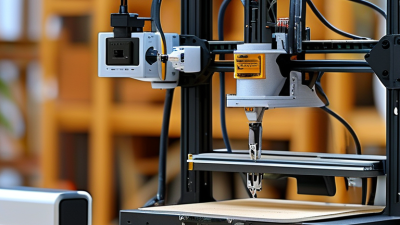
Maintaining a wall printer extends its lifespan and enhances performance. Regular cleaning is crucial. The print head can accumulate dust and ink residue. Use a soft cloth to wipe it down gently. This simple act ensures consistent print quality and prevents clogging.
Proper storage is also vital. If not in use, store the machine in a dry, cool place. Excessive humidity or heat can damage internal components. Additionally, it’s important to check the ink levels periodically. Running a printer with low ink can strain the system and lead to premature wear.
Moreover, calibrating the printer should not be overlooked. Even minor misalignments can affect the output. Test prints can reveal issues that require adjustments. If you notice inconsistent results, it might be time to revisit the settings. Addressing these problems early can save time and resources later.