Metal 3D printing can help businesses produce complex parts, consolidate assemblies, and shorten some development cycles. Yet the right machine depends on more than its advertised build volume or print speed. Materials, production goals, operator experience, and post-processing needs all shape the real cost of ownership.
This guide to the 10 best metal 3D printers for businesses compares systems across different technologies, including powder bed fusion, binder jetting, and directed energy deposition. Each approach has trade-offs. A compact machine may suit a prototyping team, while a larger production system may better serve repeat manufacturing. Neither is automatically the better investment.
A 3d Printer Metal purchase also brings practical questions. Can the machine handle the required alloy and part dimensions? What finishing steps will each component need? Are installation, training, service, and facility requirements included in the budget? These details matter on the shop floor.
Specifications tell only part of the story. Published figures may not reflect every setup or production delay, so buyers should verify performance for their own applications. There are no perfect shortcuts. The following overview offers a grounded starting point for comparing capabilities, limitations, and business fit before requesting detailed quotes or arranging sample builds.
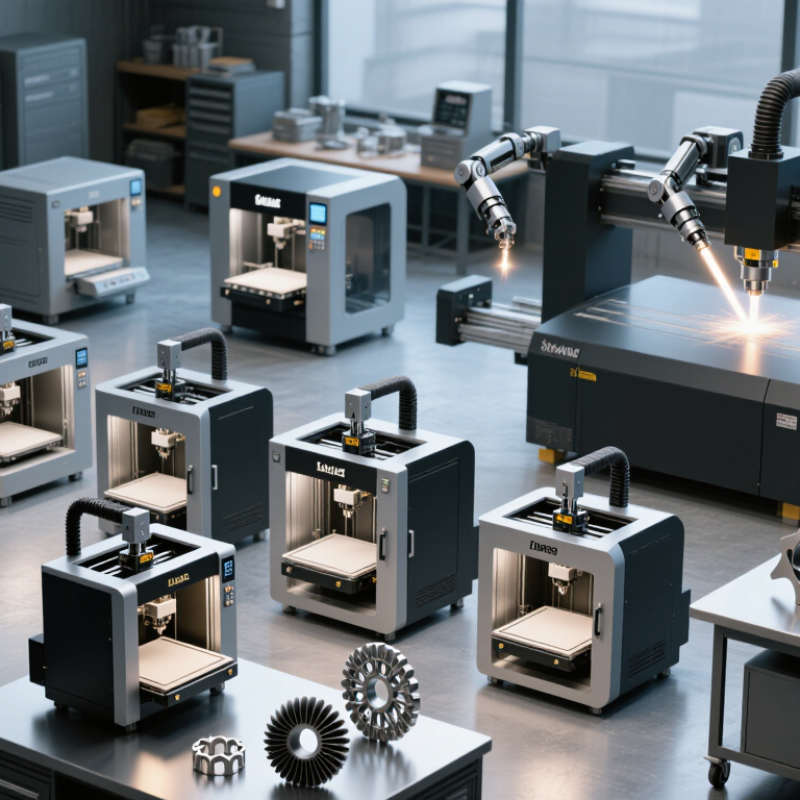
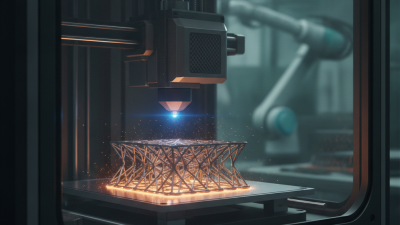
Metal 3D printing is not one process. Businesses commonly compare powder bed fusion, directed energy deposition, binder jetting, and metal extrusion. Laser powder bed fusion uses a laser to fuse fine metal powder layer by layer. It can produce intricate channels and thin walls, but supports, powder handling, and stress relief add work. Directed energy deposition feeds metal powder or wire into a focused heat source. It suits larger parts and repairs, though its surfaces often need more machining. Binder jetting joins powder with a liquid binder before furnace sintering. It can build many parts in one batch. The catch is shrinkage: engineers must account for it in the design. Metal extrusion also needs debinding and sintering. Small details can shift during those steps.
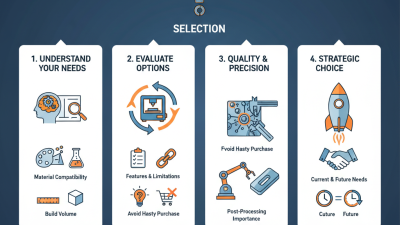
The best fit depends on more than the printer’s purchase price. A business should compare part size, required tolerances, material options, build rate, and finishing needs. Look closely at the whole workflow. A printed bracket may still need support removal, heat treatment, machining, and inspection before it is ready to use. Powder storage, ventilation, operator training, and reliable process records matter too. Ask suppliers for sample parts and measured inspection results, not just attractive demonstration pieces. Then test the process with a component your team understands well. Plans can still miss a detail; for example, a hole may need machining after printing to meet its tolerance. That is not a failure, but it should be included in the cost and schedule.
Choosing a metal 3D printer starts with the part, not the machine’s headline speed.
A 250-millimeter build volume may suit a bracket but fail a tall heat exchanger. Define the alloy, part envelope, tolerances, annual volume, and post-processing needs before comparing systems.
Wohlers Associates’ Wohlers Report 2024 estimated the global additive manufacturing industry at $20.035 billion in 2023, an 11.1% year-over-year increase. That growth makes evidence-based selection more important, not easier.
Evaluate capability with repeatable test builds.
Check density, dimensional drift, surface finish, and tensile results across multiple runs. Test parts matter. Ask for raw process data, not only a polished sample.
Compare build time with setup, cooling, powder recovery, support removal, and machining; these steps affect real throughput. Review powder handling, inert-gas use, filtration, training, maintenance intervals, and service response.
A printer that runs beautifully once may still disappoint on Tuesday.
Calculate cost per part with labor, post-processing, and failed builds included—not just feedstock. No scorecard removes judgment, and a tidy spreadsheet can hide operational snags.
Choosing among the 10 best metal 3D printers for businesses starts with the parts you actually make. A dental lab, repair shop, and aerospace supplier need different build volumes, alloys, and workflows. That matters. Powder-bed fusion can produce intricate geometry, while bound-metal systems may suit smaller teams seeking a simpler entry point. Directed energy deposition may suit large repairs, but surface finish and accuracy need careful review. These are not interchangeable tools.
Compare the full process, not just the machine price. Include feedstock handling, ventilation, operator training, service contracts, inspection, and post-processing equipment. A printer may finish a build overnight, yet heat treatment and machining can add days. Ask suppliers for sample parts made with your alloy, target tolerances, and expected production schedule. Then inspect surface quality and internal consistency. Good data beats a polished demo.
Some buyers may value repeatability and documented process controls over maximum speed; others may need a larger build chamber. Check material availability, software workflow, maintenance intervals, and service access at your site. Pilot a representative component before committing. Honestly, no shortlist is perfect. A neglected detail, such as powder recovery space or furnace capacity, can disrupt an otherwise sensible purchase.
A metal 3D printer should be judged by the parts your business actually needs, not its largest advertised build volume. Powder-bed systems can produce detailed components in alloys such as stainless steel, aluminum, and titanium, but each machine supports a specific material range. Confirm that the required alloy has documented process settings and repeatable results. A broad material list alone proves little.
Build volume affects more than part size. Larger chambers may fit bigger components, yet packing many small parts into one build can also improve throughput. Check usable dimensions, not just chamber measurements. Then compare the printer’s purchase price with recurring costs: powder, gas, filters, maintenance, and post-processing. Support equipment matters. A furnace, powder handling tools, and finishing steps may add substantial expense. Ask suppliers for sample production workflows and service estimates based on your expected build schedule. Numbers vary.
A compact machine may suit prototypes or specialized parts, while a larger system can make sense for steady production. Still, bigger is not automatically better; unused capacity is costly. I would test a representative part before committing, including supports, surface finishing, and inspection time. Those details can change the business case. Even a careful estimate can miss something. A realistic comparison includes operators’ training and the time needed to qualify each material and process.
A metal 3D printer creates business value when it fits the full production workflow, not just the build room. According to Wohlers Report 2024, the additive manufacturing industry reached $20.035 billion in 2023, up 11.1% year over year. That growth signals wider commercial use, but it does not guarantee a smooth return on investment. Teams should map each part from CAD approval through build preparation, printing, heat treatment, inspection, and delivery. A turbine bracket, for example, may need documented powder batches and inspection results before it can enter service. Traceability matters.
Integration starts with practical questions. Can engineers transfer approved files without recreating settings? Can production staff connect build records to existing quality and inventory systems? A printer that cannot share reliable job data may create manual work, even when its output is excellent. That handoff gets messy. Businesses should also check operator training, maintenance schedules, material storage, and inspection capacity before choosing equipment. Metal printing can reduce tooling needs for some low-volume or complex parts, but finishing and qualification still consume time. The uncomfortable part: a faster printer may simply move the bottleneck downstream. Pilot representative parts, record cycle times and scrap, then adjust the workflow before expanding production.