• 658d1e4uz7
  • 658d1e46zt
  • 658d1e4e3j
  • 658d1e4dcq
  • 658d1e4t3e
  • Leave Your Message

    How to Choose Selfie 3D Printer Resin for Global Sourcing?

    Global sourcing of Selfie 3d Printer Resin requires more than comparing prices on a supplier spreadsheet. The correct resin must match the printer’s wavelength, exposure settings, build platform, and intended object. A glossy sample may look impressive, yet fail after washing, curing, or several weeks of storage. Small details matter. Check viscosity at room temperature, batch consistency, color stability, odor control, packaging quality, and technical documentation. Ask for the SDS, technical data sheet, certificate of analysis, and sample-batch results before placing a large order. Requirements can also vary between markets, so buyers should verify applicable chemical, labeling, transport, and waste-handling rules with qualified local professionals.

    Joris Peels, a recognized additive-manufacturing analyst, frames the material issue clearly: “Materials are where 3D printing becomes real.” That principle is useful when evaluating Selfie 3d Printer Resin from unfamiliar factories. A reliable supplier should explain its raw-material controls, curing profile, shelf-life testing, and traceability system without avoiding difficult questions. Request three production samples, not only one promotional bottle. Compare dimensional accuracy, surface texture, tensile behavior, and post-cure color under the same conditions. Keep written records. They expose inconsistencies.

    Price still matters. It should not lead.

    A lower quotation may hide unstable pigments, weak technical support, or poor moisture protection. Even experienced buyers can overestimate a supplier after one successful test. That is where reflection becomes necessary. Global sourcing works best when purchasing decisions combine laboratory evidence, transparent communication, regulatory awareness, and realistic production needs. This guide explores how to assess Selfie 3d Printer Resin with practical judgment, documented testing, and appropriate professional verification.
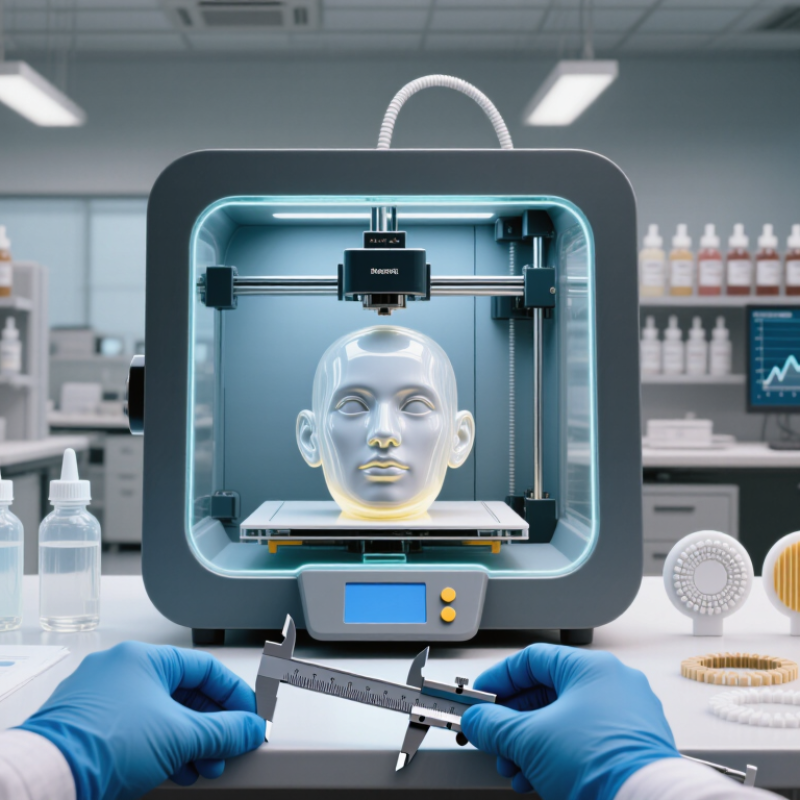
    How to Choose Selfie 3D Printer Resin for Global Sourcing?

    Define Print Requirements: 405 nm Compatibility, Resolution, and Surface Finish

    Choosing selfie 3D printer resin for global sourcing begins with the printer’s light source. Confirm that the resin is designed for 405 nm curing, not merely labeled as “standard photopolymer.” Request a technical data sheet and check exposure ranges, curing behavior, and recommended layer thickness. Start with the resin.

    Resolution depends on more than resin chemistry. A fine layer height can reveal facial contours, hair edges, and small accessories, but excessive exposure may soften these details. Test a small calibration model at 25, 50, and 100 microns. Compare eye corners, nose edges, and thin walls under bright inspection light. I once accepted a smooth sample that hid slight dimensional loss. That mistake changed my testing process.

    Surface finish should match the final use. A matte resin can reduce glare during photography, while a smoother surface may preserve delicate skin textures. Check sanding effort, support marks, color consistency, and tackiness after washing and post-curing. For international purchasing, compare samples from different production lots, then record exposure settings and curing times. Temperature during transport can also affect viscosity and print stability. Supplier documents should clearly state storage conditions, batch numbers, and safety handling information. Do not judge quality from one impressive model. A second test may disagree.
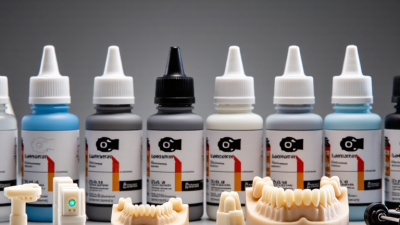
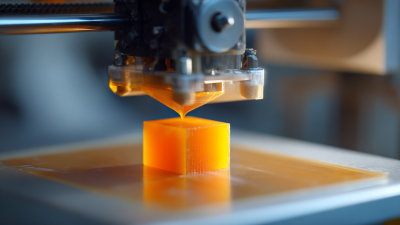
    Screen Resin Chemistry: Compare 25–100 mPa·s Viscosity and Cure Depth

    How to Choose Selfie 3D Printer Resin for Global Sourcing?

    When sourcing resin for selfie 3D printing, screen viscosity before comparing color or price. A range of 25–100 mPa·s can change feeding, leveling, and surface detail. Lower viscosity usually flows faster through the vat. It may reduce trapped bubbles around facial features. Higher viscosity can support thicker formulations, but it may slow recoating. Temperature matters too. A resin measured at 25°C may behave differently in a cold warehouse. Request test data at a stated temperature, not just one headline number.

    Cure depth deserves equal attention. It indicates how far light can solidify the resin during exposure. Excessive cure depth may soften hair strands, eyelids, or shallow texture. Insufficient depth can create weak layers and visible separation. I usually compare cure depth with exposure time, wavelength, and layer thickness. Supplier data should include testing conditions and batch information. One practical check uses a small facial model with fine eyebrows and a narrow nose bridge. I once trusted viscosity alone. That shortcut produced clean first layers but poor facial detail.

    For global sourcing, ask for viscosity tolerance, recommended exposure windows, and storage guidance. Verify samples from more than one production batch. A stable resin should print consistently after transport and acclimation. Still, laboratory numbers are not the whole story. Printer settings, room temperature, and cleaning time can change results. A careful buyer records each variable instead of blaming the material too quickly. That record becomes valuable when suppliers offer similar specifications.

    Verify Mechanical Performance Using ASTM D638 and ISO 527 Test Data

    Choosing resin for a selfie 3D printer requires more than checking color, surface finish, or advertised hardness. Mechanical performance should be verified through ASTM D638 and ISO 527 tensile test data. These standards measure properties such as tensile strength, elastic modulus, and elongation at break.

    The numbers are useful only when testing conditions are clear. Ask for specimen type, print orientation, layer height, exposure settings, post-curing time, and conditioning temperature. A vertically printed specimen may fail between layers, while a horizontally printed specimen can show stronger results. The difference matters for thin selfie grips, camera mounts, and protective shells.

    Do not compare reports blindly. ASTM D638 and ISO 527 use different specimen geometries and testing procedures. Compare results from the same standard whenever possible. Request batch identification and recent laboratory records. Independent testing is more convincing than a polished supplier spreadsheet.

    A neat datasheet can still mislead.

    In practical sourcing, I would test samples from at least two production batches. Measure tensile behavior after the same curing process used in your factory. One weakness remains: laboratory results may not predict repeated drops, screw pressure, or heat inside a vehicle. Add simple production trials and inspect cracks after assembly. The best resin is not always the strongest one. It must also print consistently, cure completely, and retain its shape during normal use.

    Audit Suppliers Through SDS, REACH, RoHS, and ISO 9001 Documentation

    When sourcing selfie 3D printer resin, begin with the Safety Data Sheet (SDS). A compliant SDS should contain all 16 sections, including composition, exposure controls, storage, and disposal guidance. Check the revision date, supplier identity, hazard classification, and emergency instructions. Do not accept a generic PDF. The resin batch, container label, and SDS should describe the same material.

    REACH documentation needs closer inspection. The European Chemicals Agency reports more than 240 substances on its Candidate List. Ask suppliers for a current SVHC declaration, including substances above the 0.1% article threshold where applicable. Request testing or composition evidence for pigments, photoinitiators, and reactive diluents. RoHS is different. It limits ten restricted substances in electrical and electronic equipment, so a RoHS statement alone does not prove resin safety. That distinction is often missed.

    ISO 9001 certification can strengthen supplier evaluation, but it does not certify the resin itself. The ISO Survey 2022 recorded more than 1.2 million ISO 9001 certificates worldwide, showing its broad use as a quality-management reference. Verify the certificate scope, issuing body, expiry date, and manufacturing site. Audit sample retention, viscosity records, curing tests, and complaint handling. Ask for a recent certificate, not a polished screenshot. I have seen documents that looked complete but lacked batch traceability. That is a warning. Also, supplier explanations may sound confident while remaining technically thin. Reflect on the gaps.

    Compare Landed Cost, MOQ, Shelf Life, Shipping, and Batch-Test Results

    How to Choose Selfie 3D Printer Resin for Global Sourcing?

    Selfie models need smooth skin textures, sharp hair edges, and stable color. However, resin price is only the opening number. Calculate landed cost with unit price, tooling, freight, insurance, duty, testing, and rejected bottles. Wohlers Associates reported that the additive manufacturing industry reached about $20.0 billion in 2023, with 13.5% growth. This expansion increases supplier choice, but also increases quality variation. A low MOQ may reduce cash pressure. It can also raise freight cost per kilogram.

    Shelf life deserves careful checking. Many photopolymer resins claim 12 to 24 months, but heat, light, and poor sealing can shorten usability. Request production dates, storage requirements, SDS documents, and batch certificates. Sea freight usually costs less, while air freight saves time. UNCTAD reports that maritime transport carries over 80% of global merchandise trade by volume. Still, shipping rules differ by formulation and destination. Confirm classification before payment.

    Tips: Ask for three recent batches, not one sample. Print identical face files using the same exposure settings. Measure layer adhesion, dimensional accuracy, surface roughness, and color consistency. ASTM or ISO-based test methods improve comparison. Record results after seven and thirty days. A resin can print beautifully once, then fail quietly. I have seen procurement teams trust a perfect sample too quickly. That judgment needs rechecking. Also test partially used bottles, because real warehouses are rarely ideal.